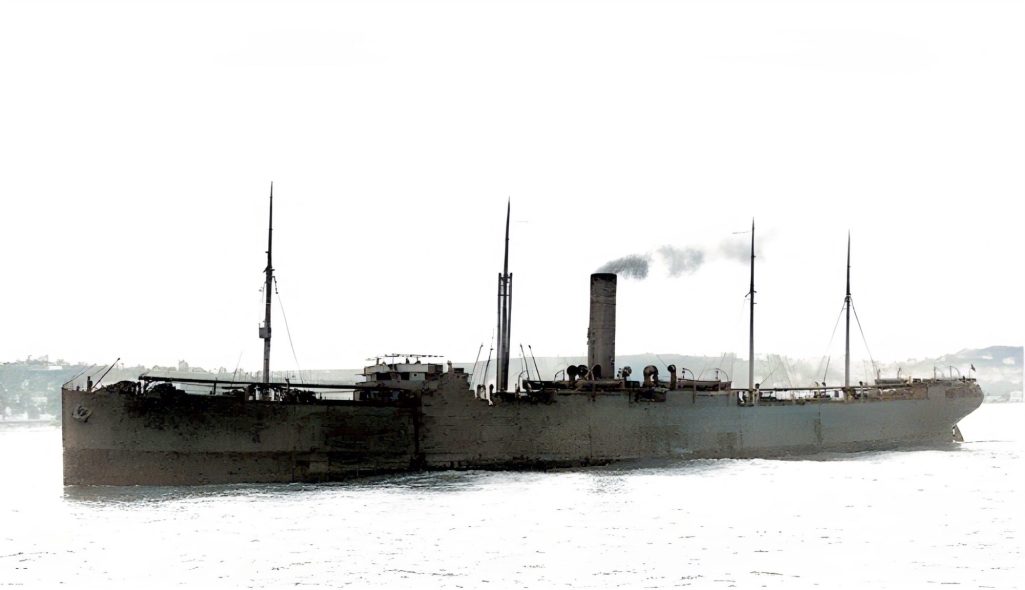
The HMT Wayfarer
Image: H.M.T. Wayfarer, 'The Illustrated War News,' 21st April 1915.
On the evening of the 8th April 1915, the 1/1st Warwickshire Yeomanry (WkY) as part of the 1st South Midland Brigade, 2nd Mounted Division left their camp in Norwich bound for the port of Avonmouth, setting sail aboard "HM Transport (HMT) Wayfarer” on 10th April with the Regiment’s horses and men detailed to look after them. Major R. A. RICHARDSON being the Officer Commanding with five other officers, 189 other ranks, and 763 horses and mules.
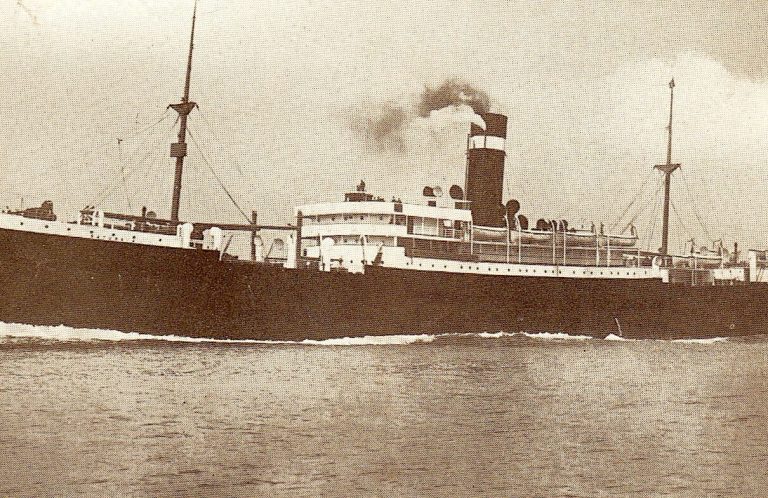
Their destination was Alexandra, in Egypt. On the 11th April the remainder of the Regiment together with elements of the 1/1st Nottinghamshire Yeomanry (South Nottinghamshire Hussars), 1/1st Derbyshire Yeomanry, 1/1st Gloucestershire Yeomanry (Royal Gloucestershire Hussars), and the 1/1st Worcestershire Yeomanry (Queen’s Own Worcestershire Hussars), set sail bound for the same destination, aboard “HMT Saturnia”.
At 2.15pm on 11th April “HMT Wayfarer “ was 60 miles West North-West of the Scilly Islands when it was struck by a torpedo from U Boat U32 on the port side, causing damage to the hay hold, engine room, boilers, and the loss of wireless contact.
The men immediately went to their boat stations and commenced boarding the lifeboats, of which one after hitting the sea was dashed up against the side of the HMT Wayfarer causing the boat to tip overthrowing its occupants into the sea.
It was during this mishap that the following men were drowned: - Cpl POWELL, Pte LAWTON, and Pte KERBY from the WkY together with Pte PHIPPS of the Army Service Corps.
© The Warwickshire Yeomanry Museum
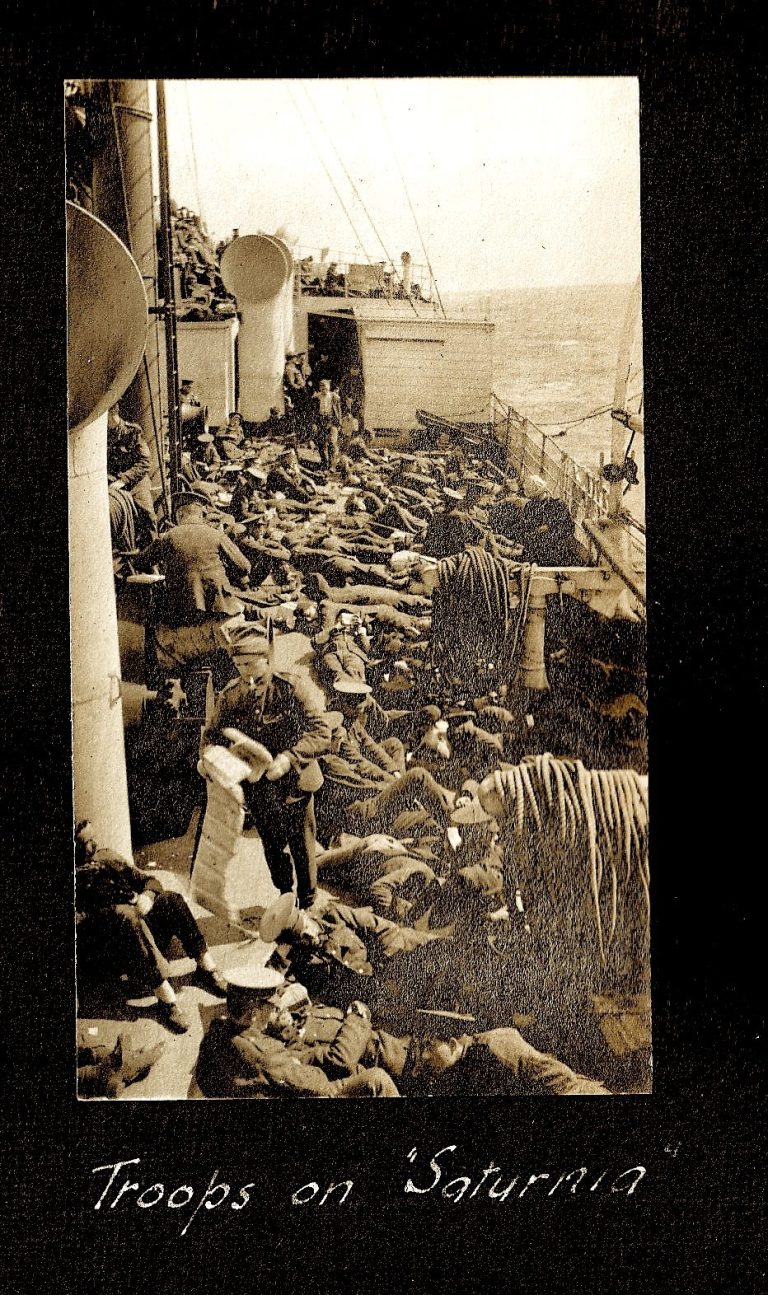
Troops on HMT Saturnia
© The Warwickshire Yeomanry Museum
HMT Saturnia
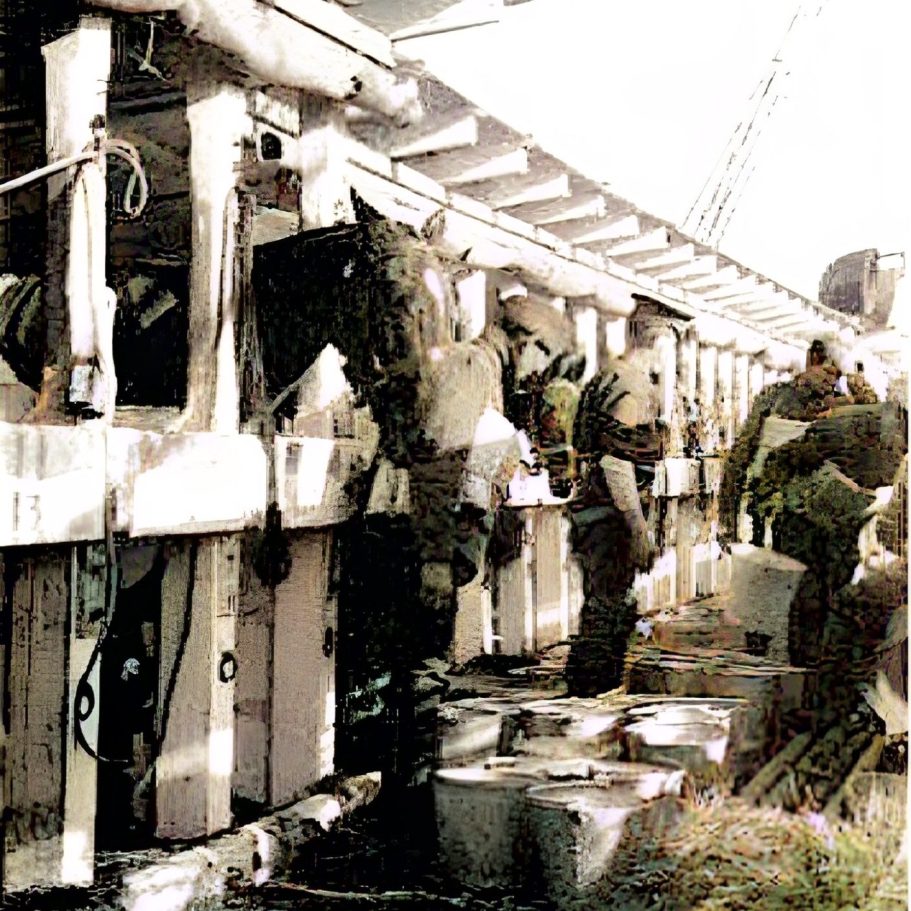
Photo Courtesy of The Hon H.A. Adderley, “The Warwickshire Yeomanry in the Great War”.
Sgt E.J.COX, 1/1st Warwickshire Yeomanry looking after the horses on ’HMT Wayfarer,’ on the 12th April 1915.
Major R.A. RICHARDSON and Captain David G COWNIE the master of the “HMT Wayfarer” realising that the damaged ship was not sinking decided to return to the “HMT Wayfarer” to make a search of the ship where they found alive Pte. BIRCHLEY who had been left
behind. During which time it was also discovered that the hay in the hay hold had shifted due to ingress of sea water forming a natural bung After two hours had passed spent looking after the horses and rescuing kit etc a fatigue party of three officers, and 18 men from the “SS Framfield” returned to the “HMT Wayfarer” who together with the ship’s officers managed to care for 760 horses and mules before it finally reached the Irish port of Queenstown (now Cobh, Co. Cork) at 4pm on 13 April 1915.
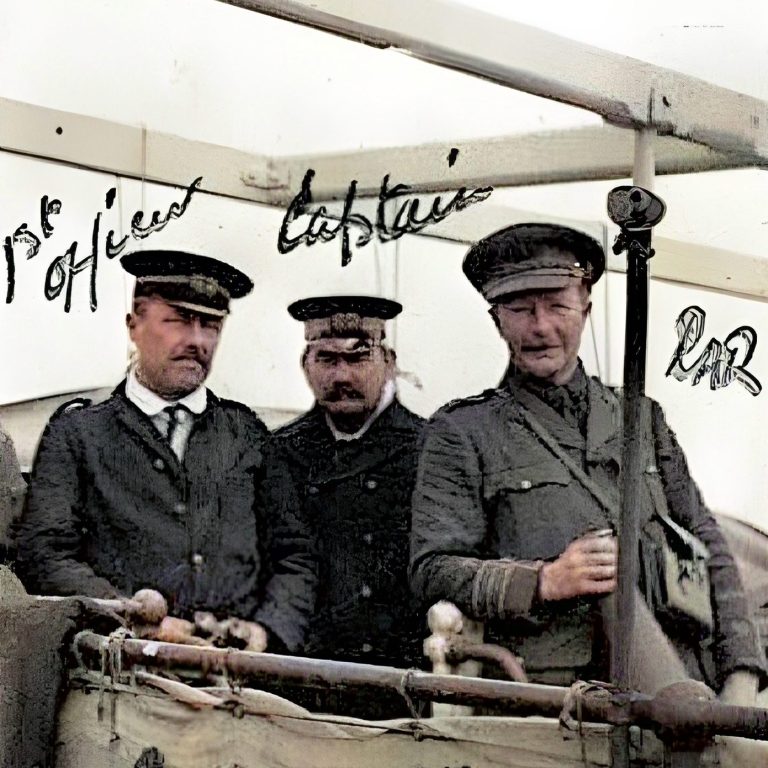
© The Warwickshire Yeomanry Museum
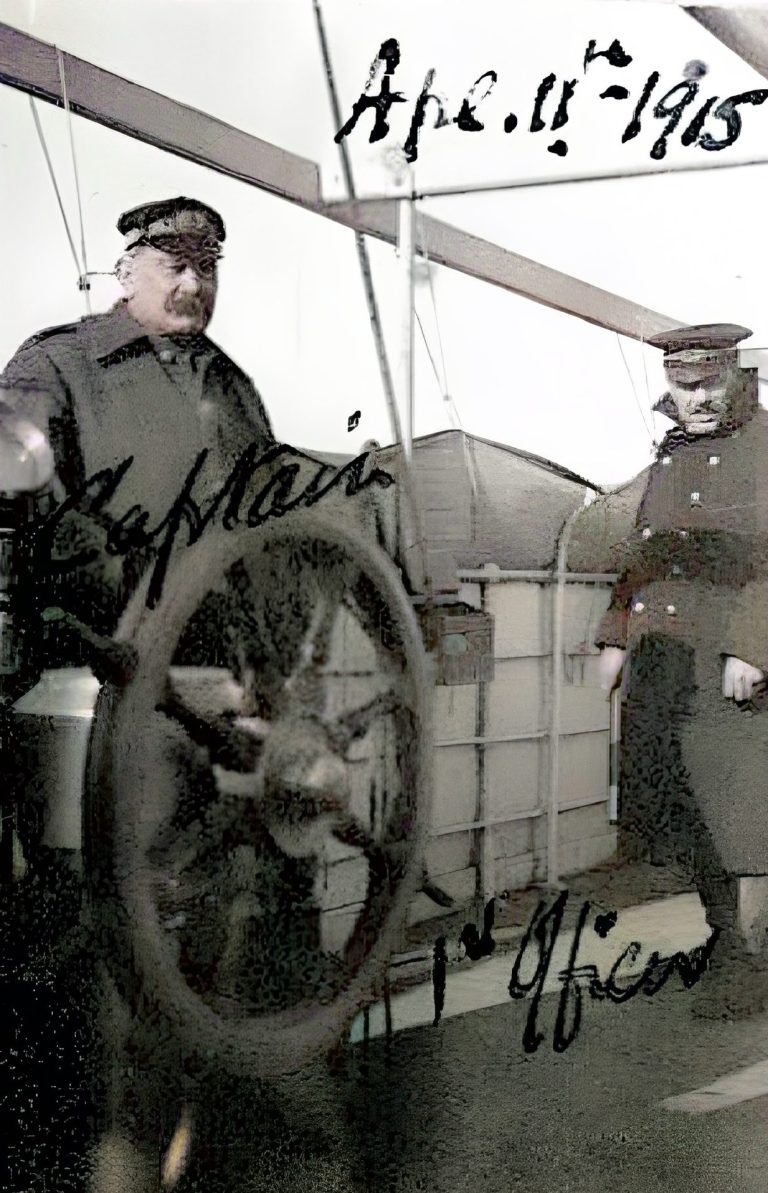
Chief Officer (1st Officer) was H. Pritchard, Captain Cownie, and Major R.A. Richardson
The WkY history records that some of the horses left in Ireland to recuperate were later
returned to the WkY 3rd Line Regiment.
It was during this work that the body of Pte G.A. ASTON was found trapped under bales of hay submerged in sea water. 760 animals were landed safely, only three being lost, one from pneumonia and two as a result of the ship being torpedoed.
Pte G.A. ASTON - (ADDERLEY page 16/17) says 'he was found drowned in the hay hold on board, having been on stable duty when the explosion took place. He was buried with full military honours at Queenstown, Captain LAKIN being in command of the funeral party.
Pte ASTON was a carpenter from Church Lench in Worcestershire, and joined the Warwickshire Yeomanry in 1913.' The names of the men from the “HMT Wayfarer” who perished are recorded on the Southampton (Hollybrook) Cemetery Memorial for those who were lost or buried at sea.
H.M. KING GEORGE V authorised awards to the officers and men who returned to the stricken “HMT Wayfarer”: the Military Cross to two officers and the Meritorious Service Medal to 18 other ranks. The “SS Framfield” the saviour of the crew, men and vessel
“HMT Wayfarer” was itself the victim of an enemy mine on the 24th October 1916,
by U Boat U 11 with the loss of six lives.
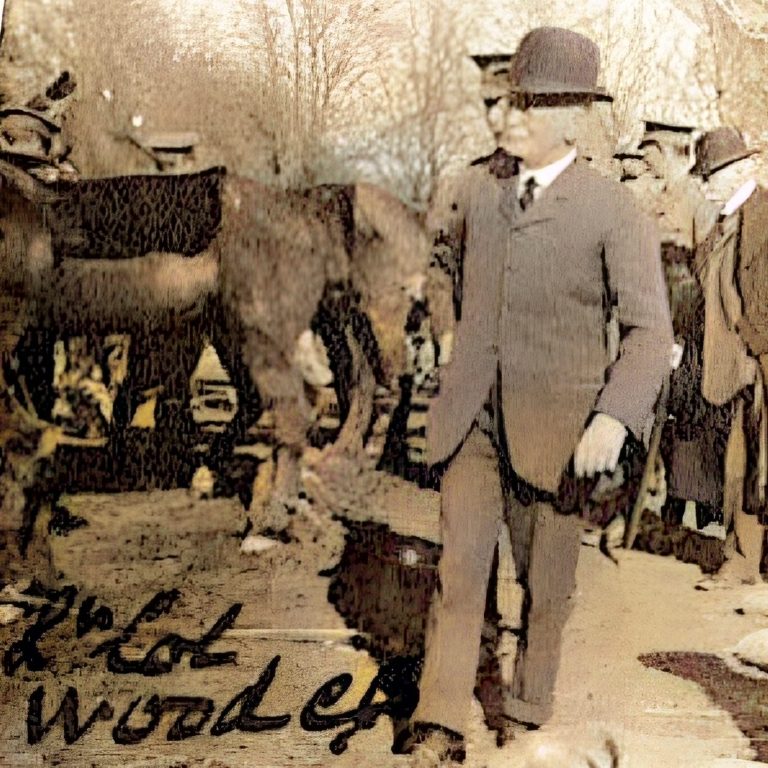
© The Warwickshire Yeomanry Museum
Lt. Col Wood inspects the horses
on arrival at Queenstown.
After a week spent at Queenstown, Ireland. Major RICHARDSON with four officers, 44 NCOs and men embarked on H.M. Transport “CHYEBASSA” on the evening of the 23rd April 1915 for Plymouth, arriving about mid-day on the 24th and having proceeded up to Devonport that
evening the ship was cleared by midnight.
On the 29th April 1915 Major RICHARDSON, with Captain R. LAKIN, Lieuts. GOOCH & YORKE, 130 NCOs and men of the Warwickshire Yeomanry, with 80 horses embarked on board HMT "LAKE MANITOBA” and sailed for Alexandria, Egypt.
On the 14th May the survivors from the
“WAYFARER” arrived at Alexandria with 80
chargers and were enthusiastically welcomed by their comrades who were keen to hear of their adventures since they parted on 10th April 1915. The “WAYFARER” was repaired and survived the war, being broken up in 1926. Of the horses, many were still in service at home and abroad up to the end of the War.
The promotion of Major RICHARDSON to the rank of Brevet Lieutenant-Colonel was
officially announced on the 17th May 1915.
The London Gazette of the 6th September 1915 announced the award of two well deserved Military Crosses and eighteen Meritorious Service Medals - see enclosed list.
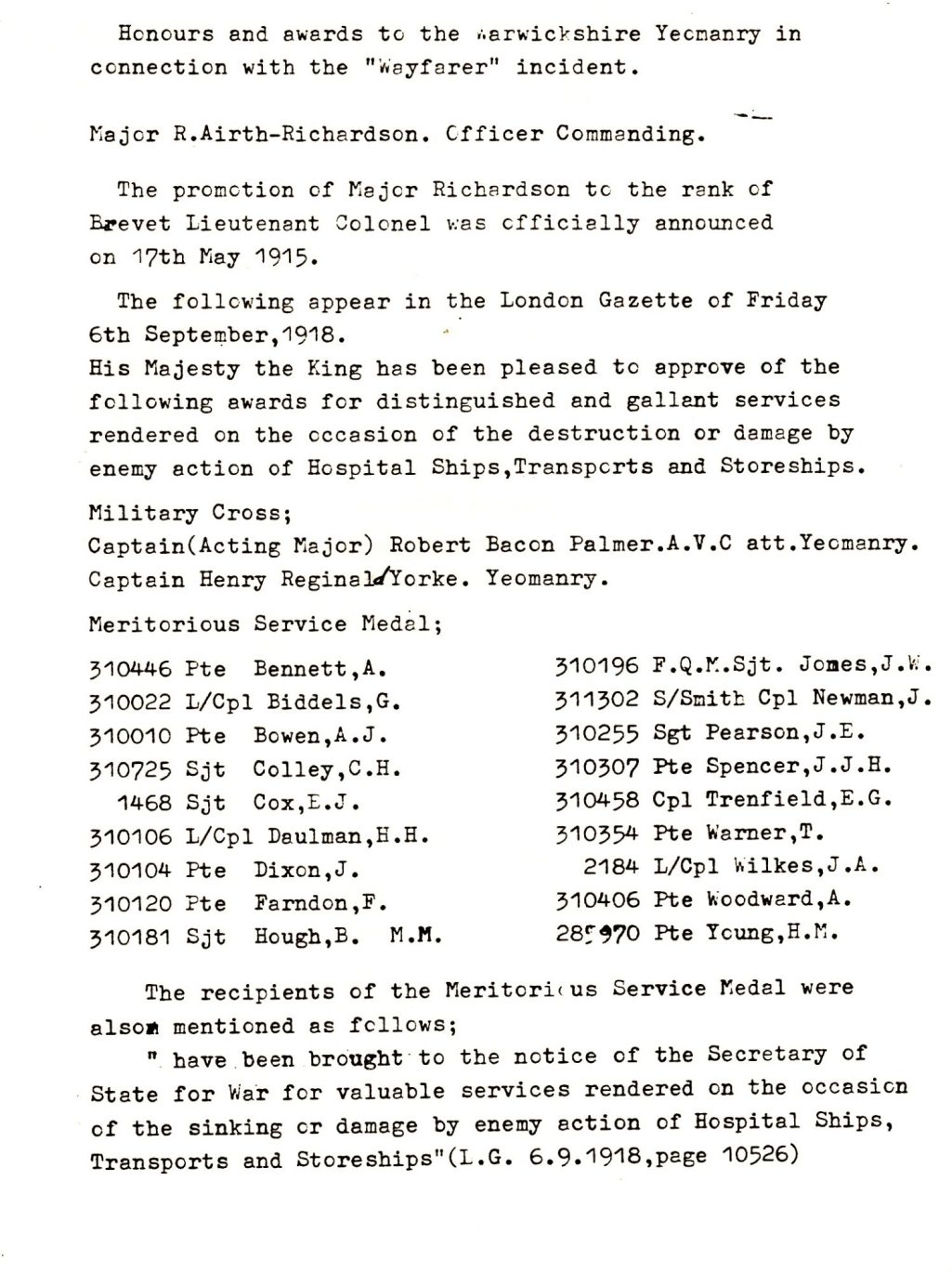
© The Warwickshire Yeomanry Museum
Pte. Joseph Allen, 1/1st Warwickshire Yeomanry, described the
torpedoing of his ship, H.M.T. Wayfarer, by U-32 in the Atlantic on 11th April 1915.
"I have to tell you of the exciting time we have gone through and how I
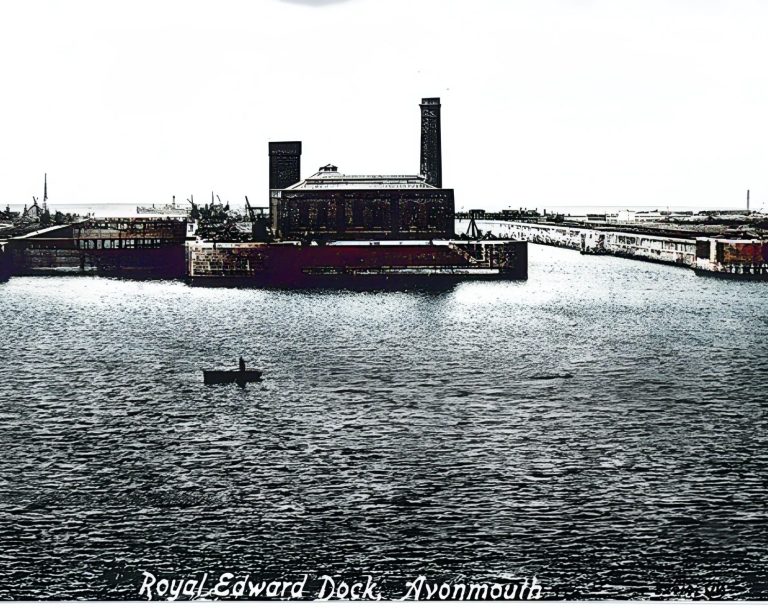
almost lost my life by drowning in the Atlantic Ocean... The Regiment left Drayton last Thursday afternoon for Norwich to entrain for Avonmouth Dock, Bristol, where we arrived about 5 o’clock in the early morning after
travelling all night with short rations. We were served out with bully beef and biscuits at 2 o’clock on the day we left Drayton and never had a bit more until 3 o’clock next day. Well, we loaded up the horses, equipment, waggons,
fodder etc., on board the HMT Wayfarer which had been fitted out as a transport."
"We were carrying roughly a thousand horses and mules and were bound for _____. I must explain that there were about 160 men detailed off to go on this boat, I was one of them. The remainder of the Regiment, which is about 500 strong, went on the _____. My pal, Tom Werner, and I were the only two Coventry men on board the Wayfarer, so we shall have some tales to tell old Coventry when we get back."
"Going back to my story, we left Avonmouth Docks on Saturday afternoon about 3.45 and sailed three miles down the Bristol Channel and anchored till dusk. Then we started our journey for abroad escorted by a destroyer which left us at dawn. Everything was A1 on board and everyone was congratulating themselves on a pleasant voyage. Sunday arrived, and about 2.30 in the afternoon, when we had had a good dinner and the chaps were
preparing for forty winks in their hammocks, there came such an explosion which fairly shook the ship from bow to stern, causing the engines to cease working, and also
dismantling [sic] the wireless apparatus and frightening everyone on board."
© The Warwickshire Yeomanry Museum
"We all made for the top deck, when the skipper gave the order to take to the boats. I went to mine but found it was too full, so I and some of my chums went to the stern end of the starboard side and found a boat with five of the crew lowering her into the water. We jumped in, and no sooner had we touched the water than we were dashed against the side of the Wayfarer. The boat was smashed and quickly filled with water and sank, thus throwing all of the occupants into the sea. Then we had to fight for our lives. There was a strong current running, with big waves
continually buffeting us about like a cork."
"I saw a chap named Powell" [1] "go down within five yards of me, and within five minutes another chum named Lawton." [2].
"Before I realised, I was gradually being swept
further away from the ship someone caught hold of by the back of coat. On getting myself free who should it be but one of my closest pals, Phil Kerby."[3]
© The Warwickshire Yeomanry Museum
Captain and 1st Officer at the wheel of the Wayfarer.
"He had had a rough time of it. He could not swim, was blue in the face, and could not speak. I cheered him up and while I was doing this he threw up his arms and sank like a stone. I could see no one about, but a boat full of our party some distance off — l should think a mile away. I guessed I should be picked up by one of our boats later, so I used my head and really did not exert myself, just keeping my head well above water and my mouth shut, taking things as they came. But I shall never forget as long as I live seeing my pals go down, and being unable to do anything at all."
"I now began to make for the boat I could see — l owe my life to being a strong chap and good swimmer. My word, how I do thank the 'Black Gift' School for teaching me to swim. After being in the water for 55 minutes I was picked up and taken on board the S.S. Framfield, a collier which came to our assistance after the Wayfarer had run up her signals of distress. Well, I did feel a little cold when I got aboard. I was given some brandy and my clothes were all taken off and dried. In the meantime 120 of our chaps had been taken aboard another collier, the Newlyn, and taken to Plymouth, while 20 men who had been taken on board the Framfield had to go back with our officers and ship’s officers to the Wayfarer."
© The Warwickshire Yeomanry Museum
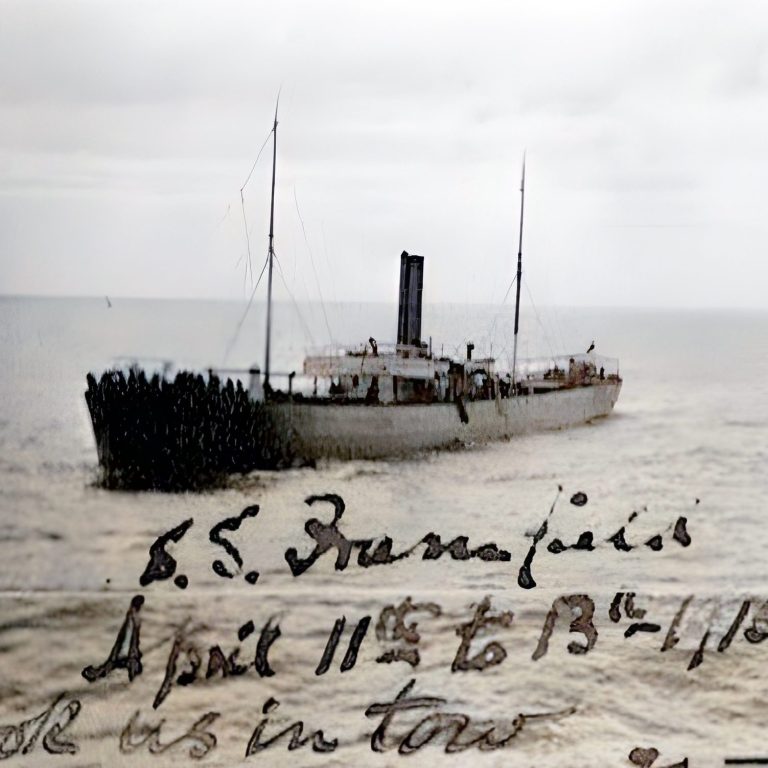
SS Framfield about to take the Wayfarer in tow.
"The old ship was taken in tow by the Framfield, and we started on our 107 miles’ journey to Queenstown. We made slow progress and heaved a sigh of relief when two Government tugs
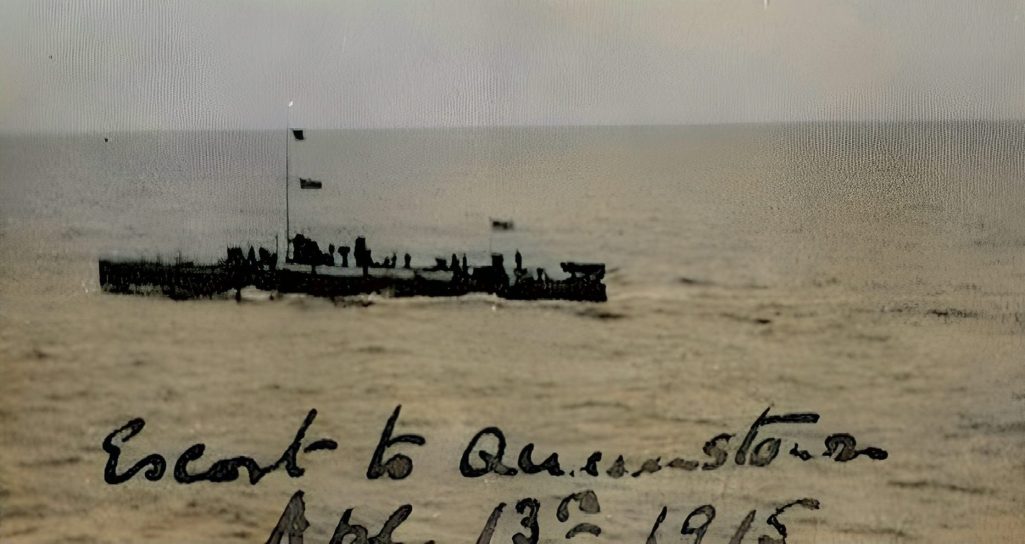
escorted by destroyers hove in sight and relieved the Framfield as tug. Then we were able to get along very quickly and reached Queenstown about 3.30 on Tuesday afternoon."
"The Wayfarer was run up the deep water quay and we were taken on board her off the Framfield. The horses and mules were immediately taken ashore and we were working all night placing them in a large field and tending to their wants.” [4]
Joseph Allen eventually made it to Alexandria on 24th April 1915. He, and the rest of the
Regiment, went on to serve at Suvla.
[1] Cpl. Edwin Reginald Thomas Powell, Warwickshire Yeomanry, died 11th April 1915. Commemorated on the Hollybrook Memorial, Southampton.
[2] Pte. William Herbert Lawton, Warwickshire Yeomanry, died 11th April 1915. He was the 19-year-old son of William and Jane Lawton, of The Hermitage, Polesworth, Warwickshire, and is commemorated on the Hollybrook Memorial, Southampton.
[3] Pte. Phillip Charles Kerby, Warwickshire Yeomanry, died on 11th April 1915. Commemorated on the Hollybrook Memorial, he was the 22-year-old son of Henry and Mahlda Kerby, of Mollington, Banbury, Oxfordshire.
A fourth member of the Regiment died that day, Pte. Robert Geoffrey Aston, the 22-year-old son of Enoch James and Marion Ada Aston, of Church Lench, Evesham, Worcestershire, who is also commemorated on the Hollybrook Memorial in Southampton.
[4] 'Coventry Herald,' 23rd April 1915.
© The Warwickshire Yeomanry Museum
Destroyer escorting the Wayfarer into Queenstown (Cobh) Co. Down