R1
'The Palestine Campaigns'
and
'Egypt and Palestine Campaign'

For those with time on their hands wishing to learn more about the First World War then here are two useful books, copies of which can also be found in www.abebooks.co.uk.
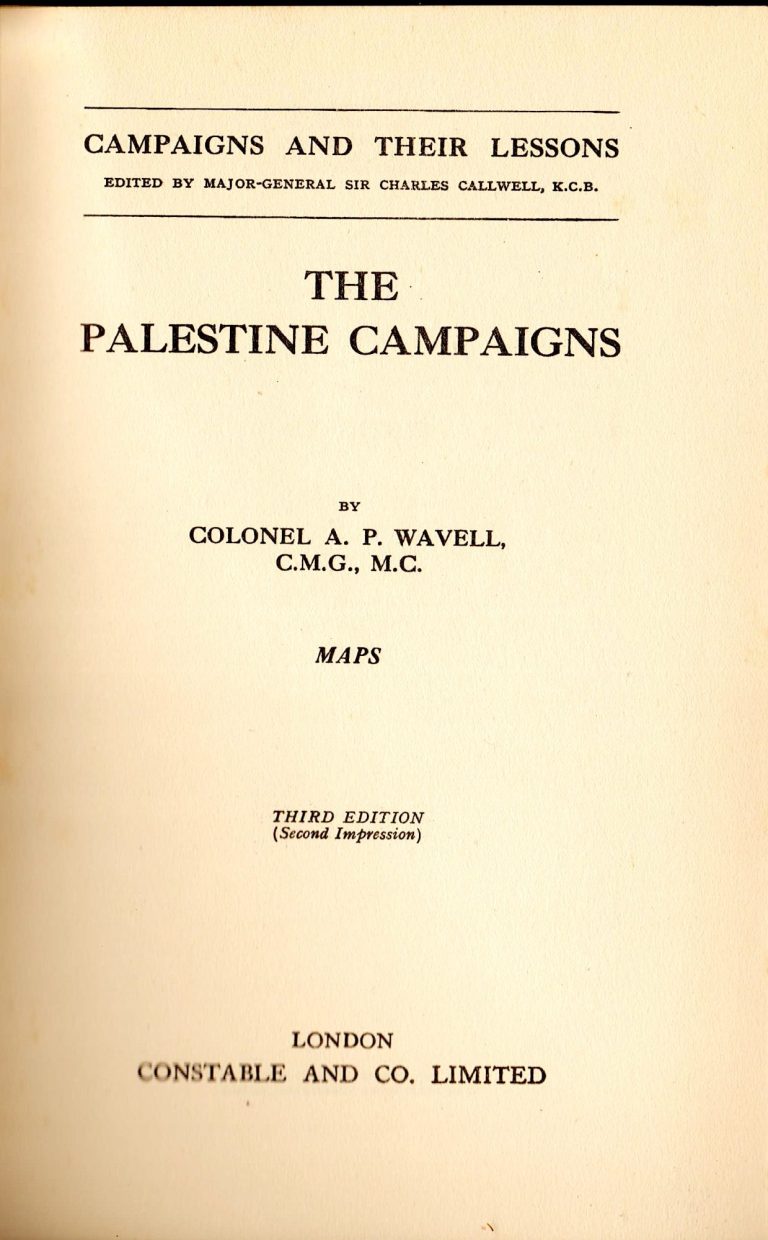
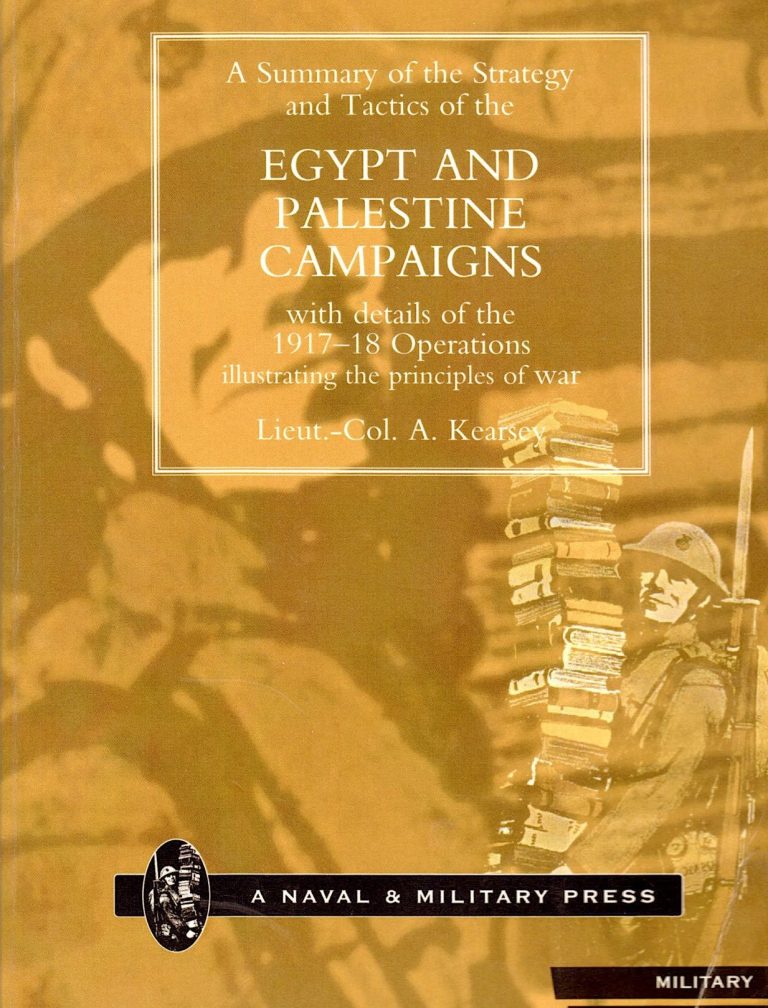
‘The Palestine Campaigns’ by Colonel A.P. WAVELL, C.M.G., M.C. and ‘Egypt and Palestine Campaign with details of the 1917-18 Operations illustrating the principles of War’ by Lieut.Col. A. KEARSEY, D.S.O., O.B.E., p.s.c.,
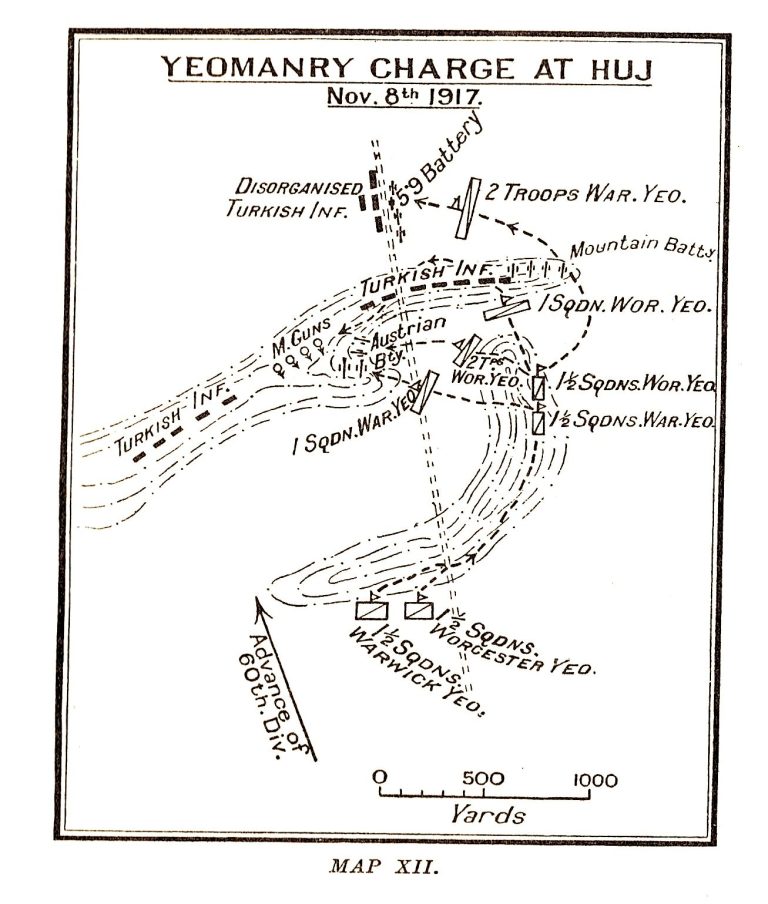
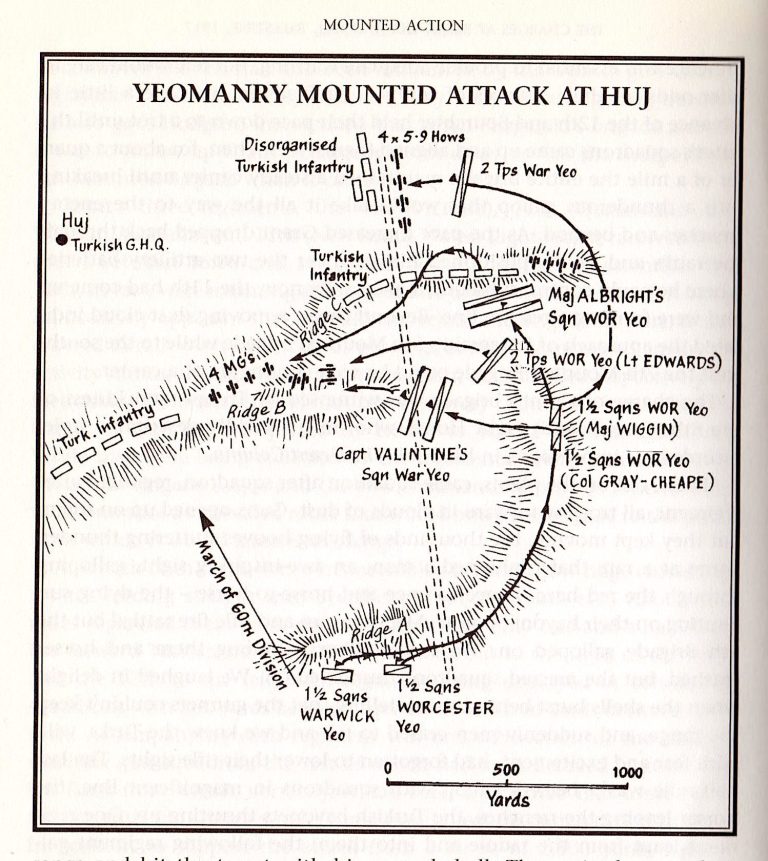
'The Palestine Campaigns’ by Colonel A.P. WAVELL, C.M.G., M.C. third edition with 20 maps was published in 1921. ‘The Affair at Huj’ 8th November 1917 is covered in some
detail - see enclosed map reproduced from this book.
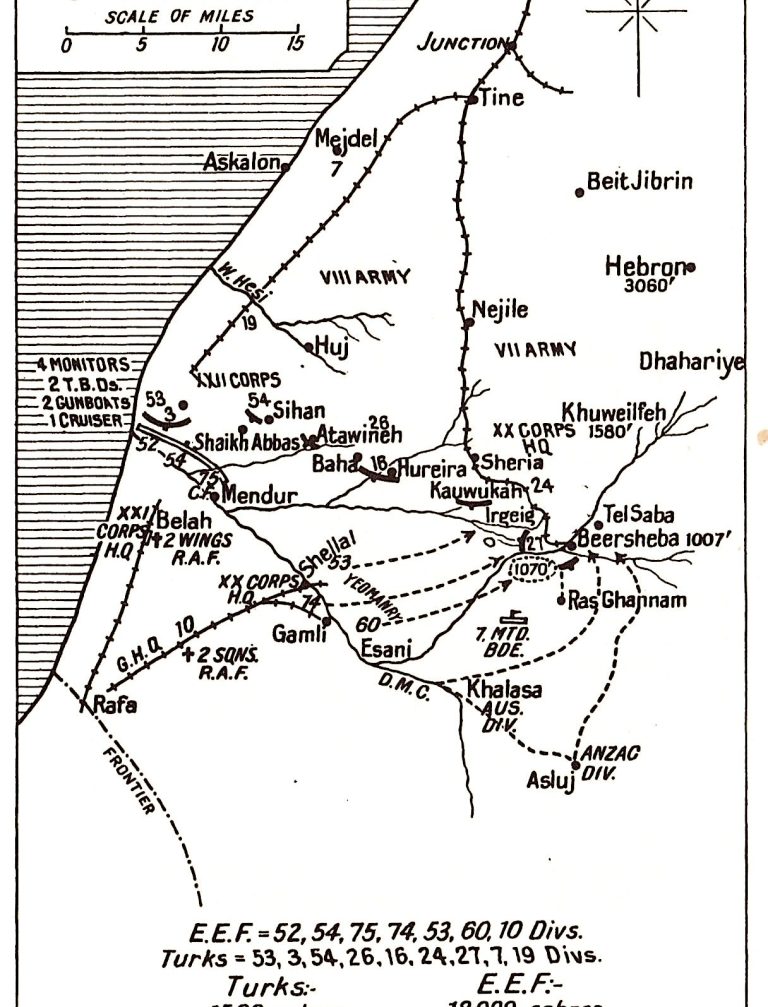
‘Egypt and Palestine Campaign with details of the 1917-18 Operations illustrating the
principles of War’ by Lieut.Col. A. KEARSEY, D.S.O., O.B.E., p.s.c., second edition revised with 12 maps – see enclosed map covering the Situation end of October 1917.
R2
'The Advance of the Egyptian Expeditionary Force –
July 1917 to October 1918'
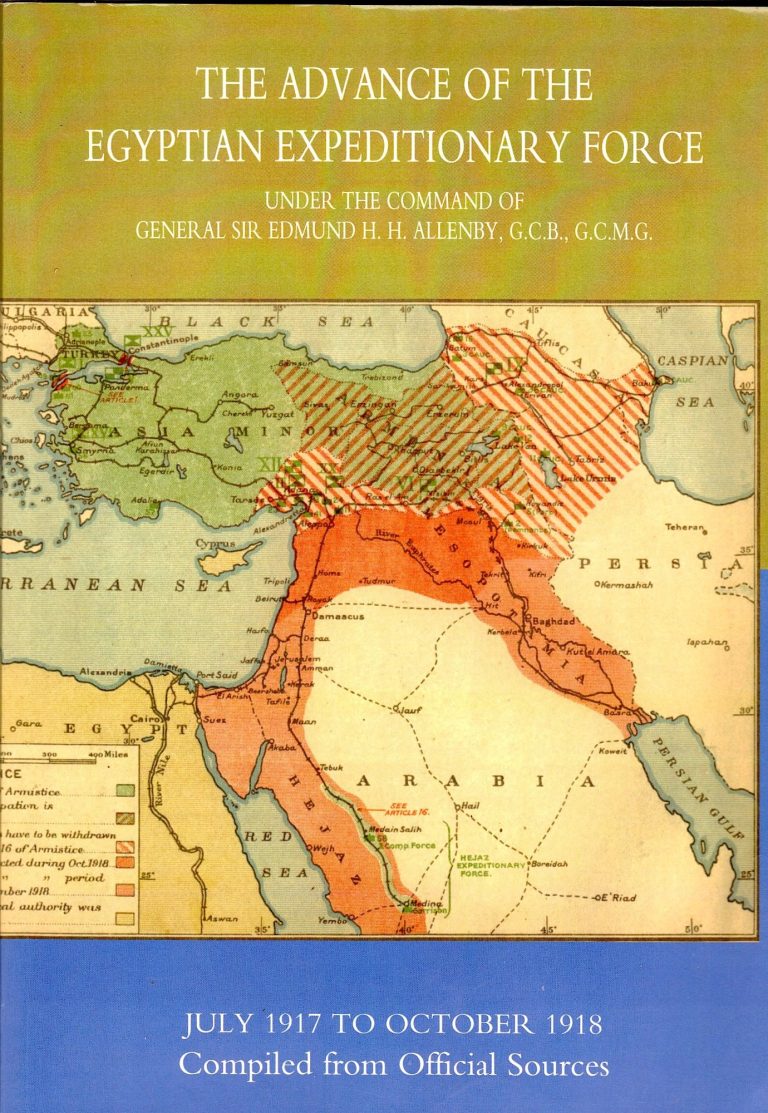
'The Advance of the Egyptian Expeditionary Force –
July 1917 to October 1918', compiled from Official Sources by Lieut-Colonel H. PIRIE-GORDON, Second Edition
published in 1919.
We have an original copy of this publication in the Museum – this is a reprint published by Naval and Military Press.
The book contains a wealth of detail:
ALLENBY’s Despatches as published in the London Gazette.
The Order of Battle of the Egyptian Expeditionary Force including Brief Records of Service of the Major Formations.
Non-Divisional Brigades and Line of Communication Units.
Brief Records of the Various Branches of the Army for example:
Royal Engineers:
Water Supply, Signal Service, Military Railways, etc.
Royal Army Service Corps:
Establishment and Supplies, Mechanical Transport, etc
Royal Army Veterinary Corps.
The Work of the Medical Services.
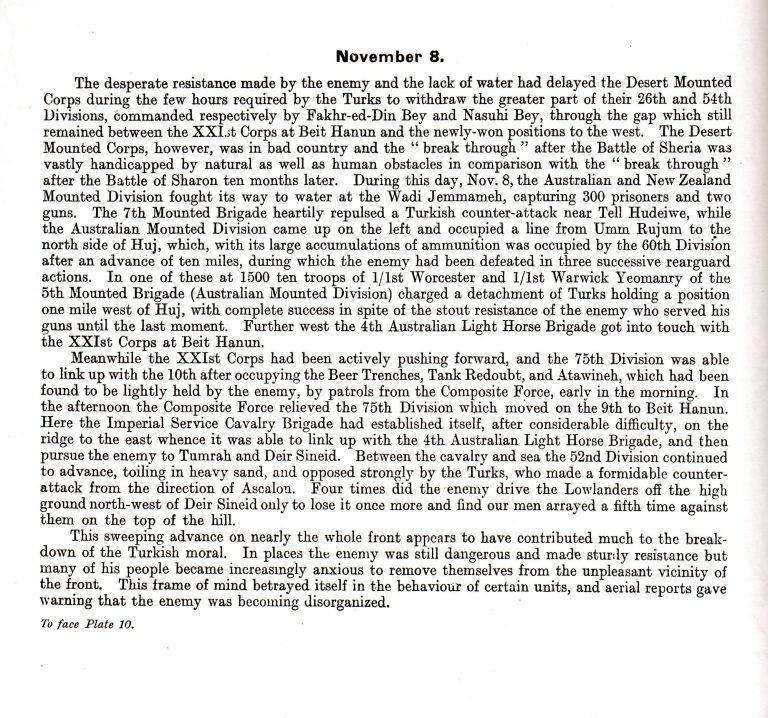
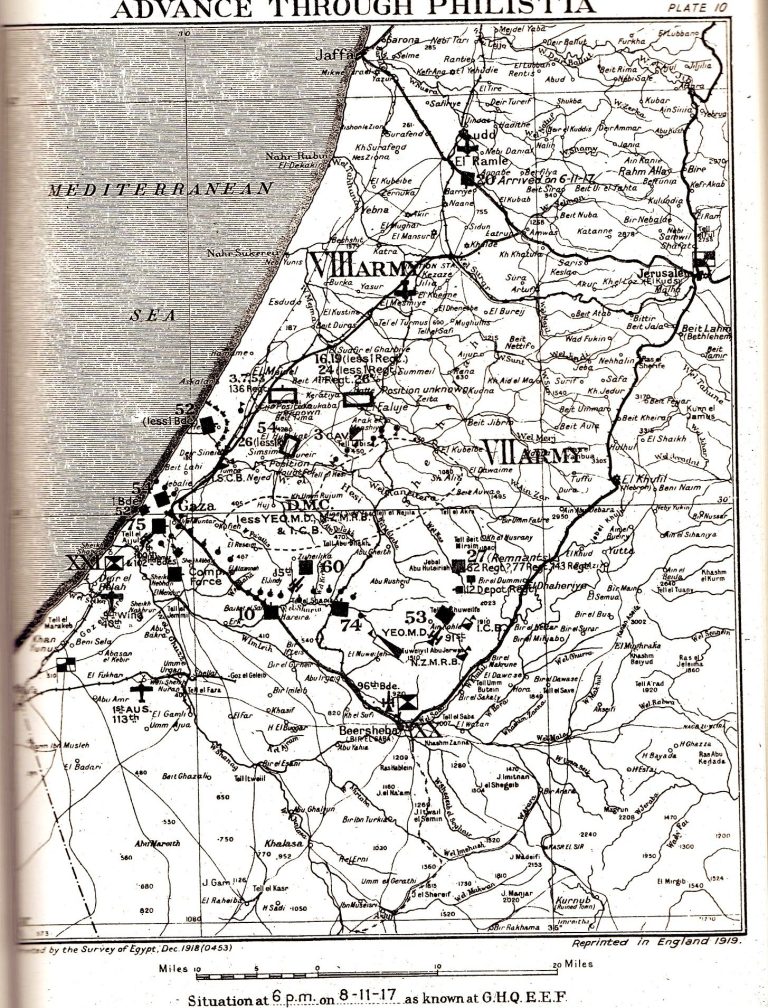
There are 56 maps in chronological order with a descriptive text facing the map –
see enclosed example for 8th November 1917.
R3
‘Desert Mounted Corps'
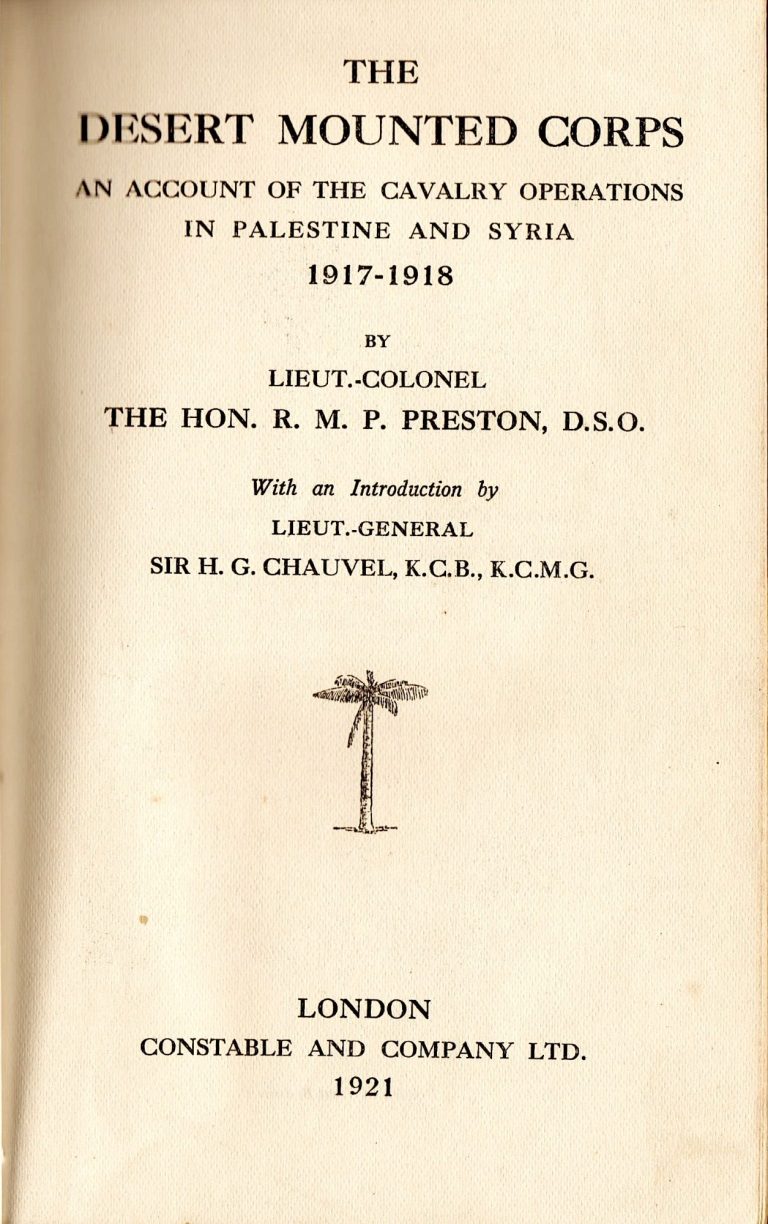
Here is a useful book first published in 1921 which can also be found in www.abebooks.co.uk.
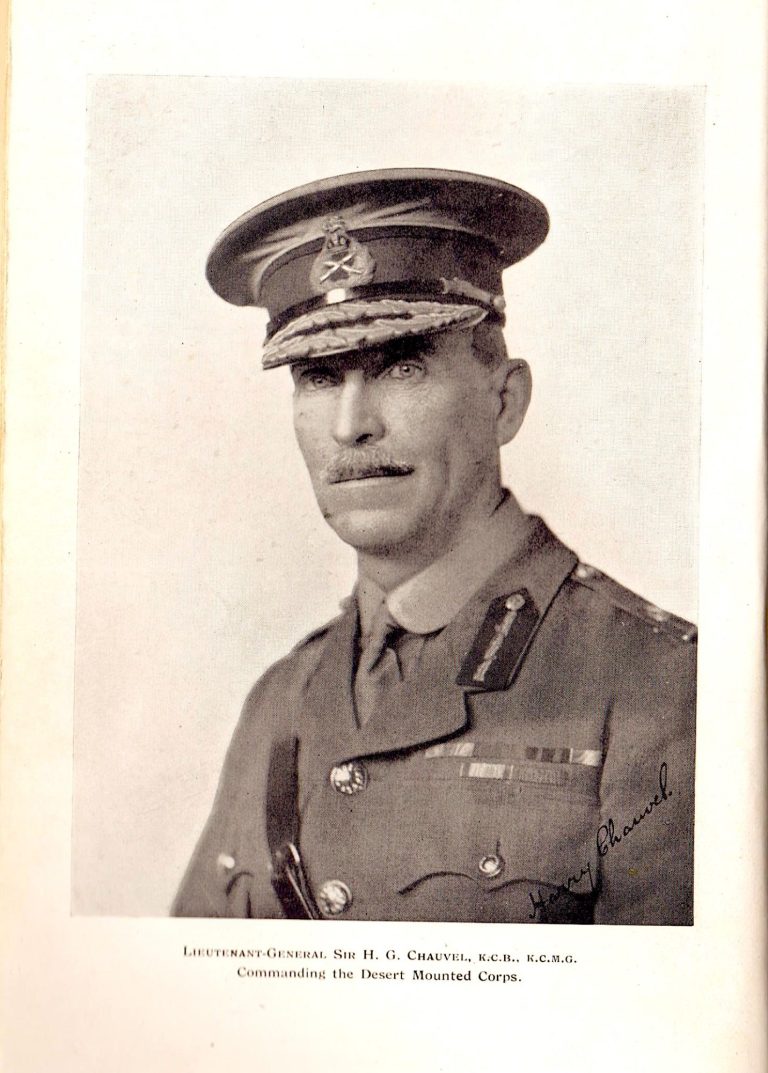
‘Desert Mounted Corps - An Account of the Cavalry Operations in Palestine and Syria 1917-1918’ by Lieut-Colonel The Hon. R.M.P. PRESTON, D.S.O.
This book includes an Introduction by Lieut.-General Sir. H.G. CHAUVEL, K.C.B., K.C.M.G. of which the following is but an extract:
"Though drawn from such widely different quarters of the Empire, the personnel of the Corps was well fitted for the class of warfare it was called upon to undertake.
The horseman of Australia and New Zealand were accustomed to wide open spaces and long days in the saddle, and were full of initiative, self-reliance and determination to overcome every obstacle in their way. The Yeomanry, though not accustomed to hardships, had behind them the glorious traditions of the British Cavalry, in the annals of which their charges at Huj and El Mughar will live for all time."
This book is well worth reading - Chapter V includes a short two page account of ‘The Affair at Huj 8th November 1917’ of which the following is an extract:
"As our cavalry appeared thundering over the rise, the Turks sprang to their guns and swung them round, firing point blank into the charging horsemen. The infantry, leaping on the limbers blazed away with their rifles till they were cut down. There was no thought of surrender every man stuck to his gun or rifle to the last."
The book has twelve maps which contain exceedingly small text and are best viewed by way of a magnifier.
Observation
This book has the following inscription – ‘To the Warwickshire Yeomanry Museum from John WALLBANK (son of SQMS WALLBANK).’
SQMS WALLBANK served with the Warwickshire Yeomanry from 1909 to 1935 –
his medals are on display in the Museum.
R4
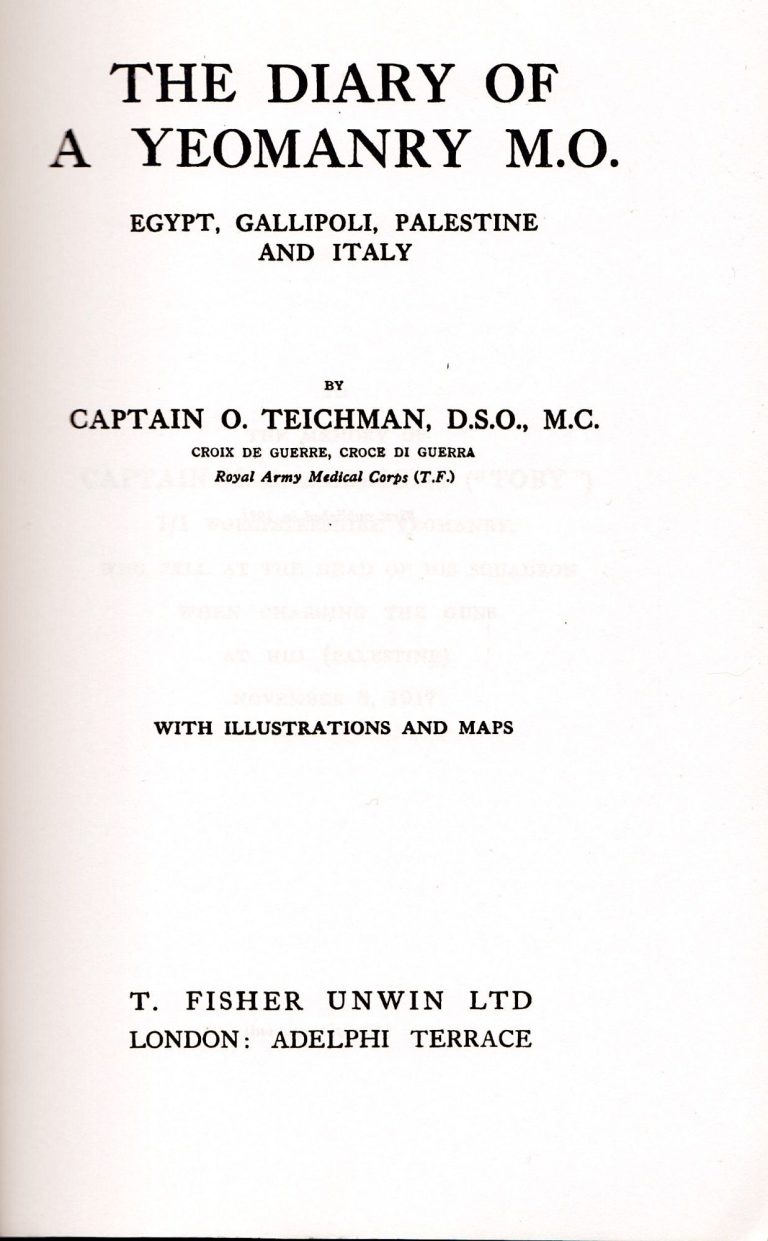
'The Diary of A Yeomanry M.O. –
Egypt, Gallipoli, Palestine and Italy '
Here is an exceptionally good book first published in 1921 which can also be found in www.abebooks.co.uk.
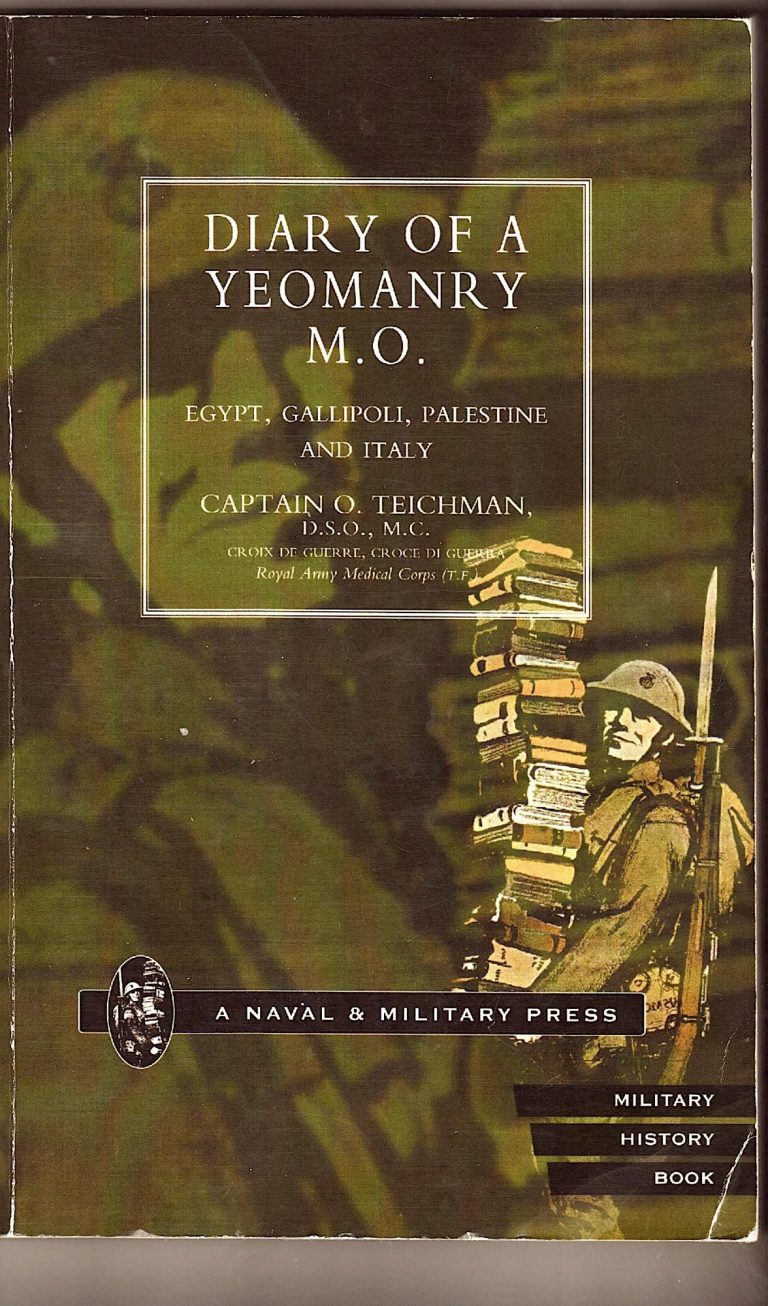
‘The Diary of A Yeomanry M.O. – Egypt, Gallipoli, Palestine and Italy’ by Captain O. TEICHMAN, D.S.O., M.C., with
illustrations and maps.
This book is dedicated to the memory of Captain M.C. ALBRIGHT (“Toby”) 1/1st Worcestershire Yeomanry who fell at the head of his Squadron when charging the guns at Huj (Palestine) 8th November 1917.
We have an original hardback copy in the Museum, together with a reprint published by Naval and Military Press.
Captain Oskar TEICHMAN was the Medical Officer for The Queen’s Own Worcestershire Hussars. This diarised book provides a fascinating glimpse into the past and includes his account of the Charge at Huj 8th November 1917, of which the following is but an extract:
‘At the moment we were dismounted, giving our horses a breather and attending to some of our recently wounded behind a slight ridge. Our Second-in-Command gave the order to mount, and called out, “Now then boys, for the guns!” Away they galloped, and the
moment they appeared over the crest of the ridge, 200 yards from the batteries, the gun fire became terrific, accompanied by rifle and machine gun fire from some 2000 Turkish Infantry who were protecting the guns. My orderlies and I followed in the rear, almost
unconscious of what was happening on account of the deafening noise as we galloped down the grassy slope; the enemy gunners had shortened their fuses as the Yeomanry came in sight, and were now banging away as fast as they could, the shrapnel apparently bursting on the ground instead of some thirty feet above it. The Worcester and Warwick squadron, already thinned out by casualties swept on and topping a rise, charged through the infantry screen and were lost to view. A wonderful and terrible sight met our view: in addition to the casualties which had already occurred, the ground was strewn with horses and fallen yeoman, many of whom were lying close to and beyond the batteries. Twelve guns, three 5.9s and nine field guns, were in various positions, surrounded by German and Austrian gunners, many of whom were dead or wounded. About 300 yards behind the rearmost battery a mass of enemy infantry were retreating, a few of whom were still firing occasional shots from various directions.”
He writes “We commenced to dress the wounded at once and found them scattered in all directions.”
“Part of a Turko-German Field Ambulance, which had been unable to escape was found in a hollow behind the batteries and their equipment was invaluable to us, as our dressings soon ran out and our Field Ambulance had not yet arrived; the Turkish orderlies were put to work amongst their own men, and the intelligent German sergeants proved quite useful.”
R5
‘A Half Century of Memories’
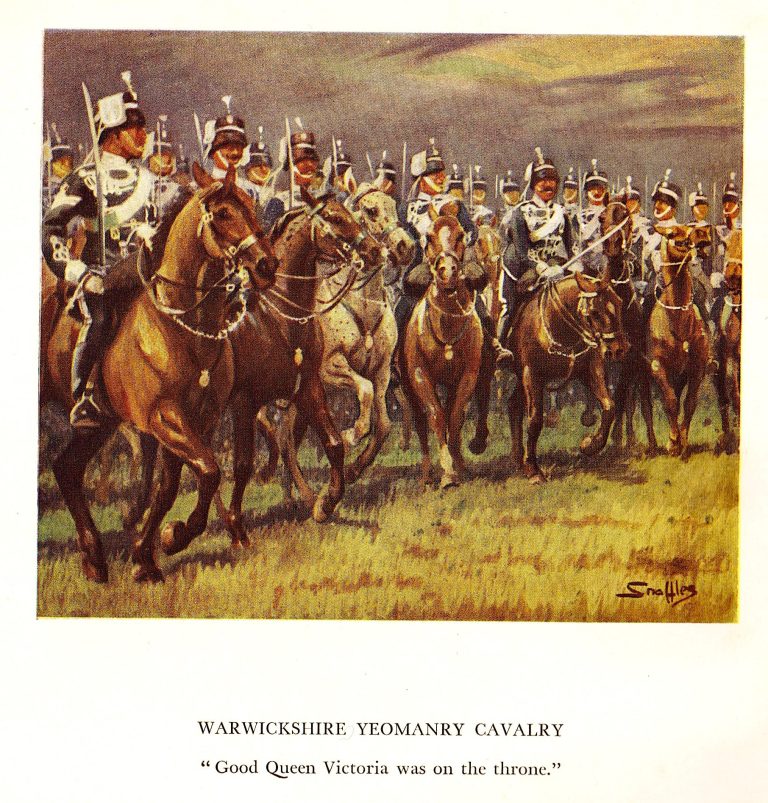
‘A Half Century of Memories’ by SNAFFLES first published in1949.
Charles "Snaffles" Johnson Payne (1884–1967) was an English painter known for his humorous work and for his outstanding draughtsmanship and depiction of the horse in action.
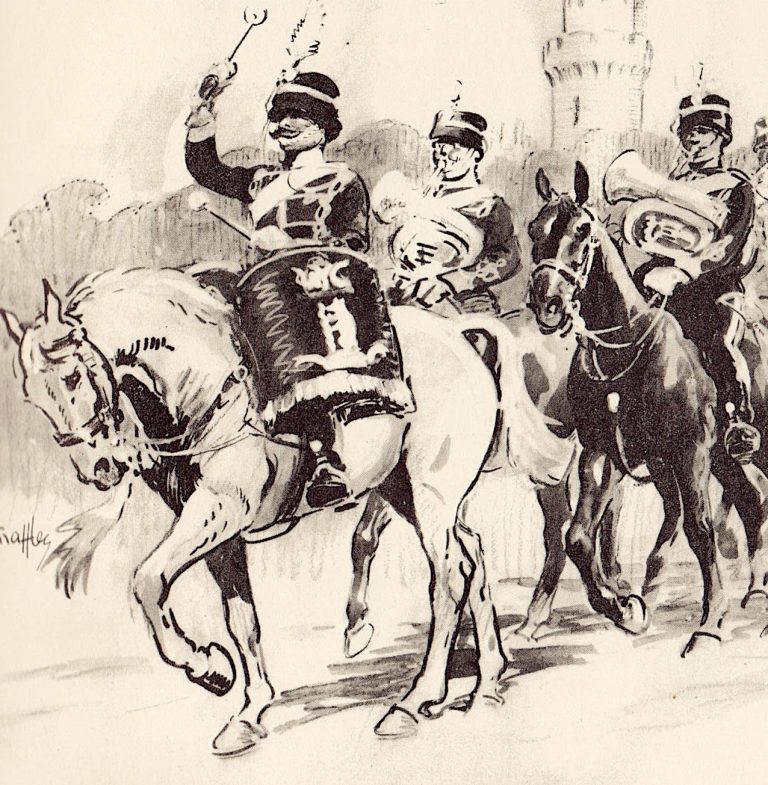
The book contains a number of sketches of The Warwickshire Yeomanry Cavalry some of which can be seen online with copyright attached to them.
SNAFFLES chose his sketch of the ‘Warwickshire Yeomanry Cavalry – and the Band played on’ as the frontispiece to the book “for it is a far hark back into the golden haze of my
boyhood memories” and he recalls “it was the annual visit with my schoolfellows to see the review of the Yeomanry on Warwick Common which set the flame alight in me to
delineate horse soldiers and fox hunters. For didn’t the two go together in those days?
For three parts of the Yeomanry were in some way connected with horses and no less a man than the Master of the Warwickshire Hunt (The Great) Lord WILLOUGHBY de BROKE, was the Colonel.”
Others claim copyright to this sketch so I have deliberately reduced it, to show part only, likewise that of his painting of the Warwickshire Yeomanry Cavalry.
The original water colour painting of ‘The Warwickshire Yeomanry Cavalry’ is on display in the atrium of the Warwickshire Yeomanry Museum.
The book contains a number of sketches relating to the Warwickshire Yeomanry and provides a fascinating insight into bygone days with supporting narrative.
Original copies of this book can be found in www.abebooks.co.uk
R6
‘The County of Warwickshire Roll of Honour 1914-1925. Volume 1 South Warwickshire’
by Kenneth FOWLER.
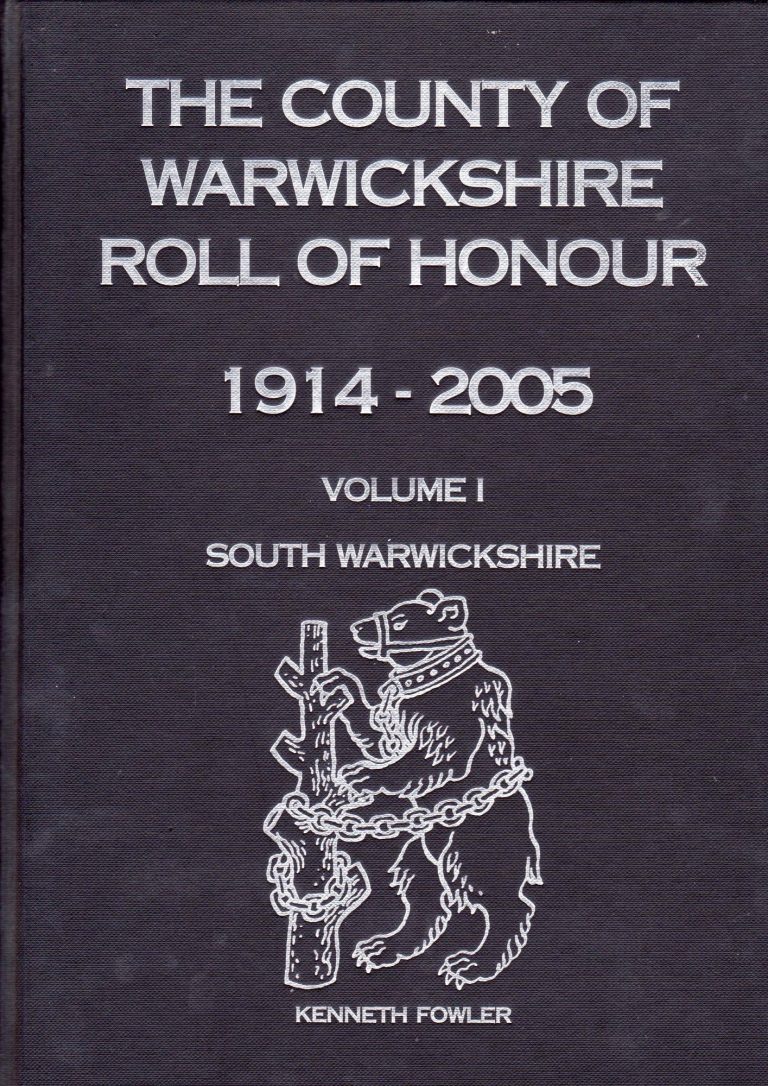
This book was published in 2005 and includes brief
biographical details of those from South Warwickshire who had the misfortune to be killed in action or die whilst serving with the British Armed Forces during the period 1914-2005.
All War Memorials in towns and villages in South Warwickshire are included in alphabetical order
commencing with Alcester, in year order with brief
biographical details for each person commemorated.
There are 510 pages of biographical information and 57 pages by way of an alphabetical index:
Name, initials, town or village. The index sadly lacks the relevant page number and those
commemorated can be found on more than one memorial in some towns.
Pages 477 to 488 cover those Warwickshire Yeoman whose names are inscribed on the scroll in
St Mary’s Church, Warwick for WW1.
My predecessor the late Bryan JOHNSON B.E.M., and I worked with Kenneth FOWLER to ensure that as far as possible accurate information was provided to support entries
relating to the Warwickshire Yeomanry for both World Wars.
In more recent years this book has proved invaluable as a starting point when answering Warwickshire Yeomanry research enquiries relating to the Fallen of both World Wars.
I have no recollection of seeing Volume 2 for North Warwickshire.
Observation
We have also provided information on Warwickshire Yeoman commemorated on Warwickshire
War Memorials and in supporting booklets such as
‘Snitterfield Heroes,
’Shipston Remembers,’ and
‘Lest We Forget – The Southam Men in The Great War’
to name but three of many.
By far the most challenging in recent years has been
Warwick War Memorial – In memory of the fallen
There are several Warwickshire Yeoman commemorated on the Warwick War Memorial and the work we have done to support this project is acknowledged in their website.
R7
'Blackwood’s Magazine' published in March 1977
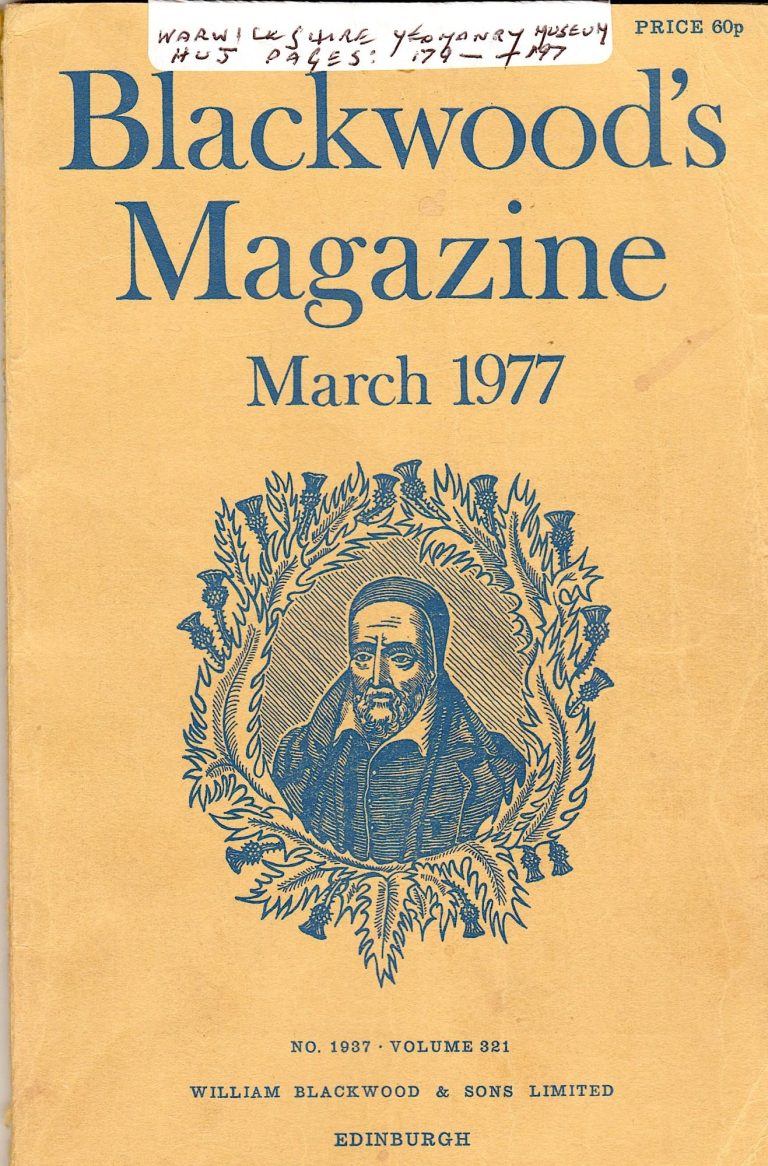
Blackwood’s Magazine published in March 1977
(No.1937 -Volume 321) includes:
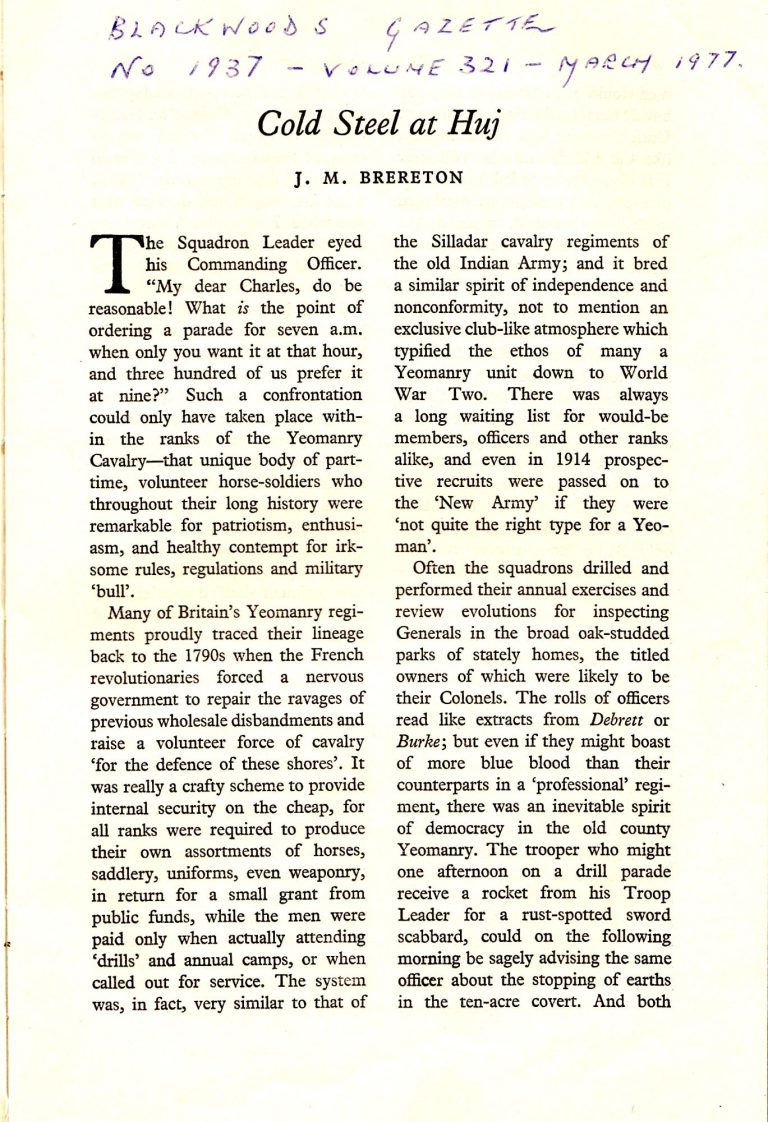
‘Cold Steel at Huj’ by J.M. BRERETON - pages 179 to 197.
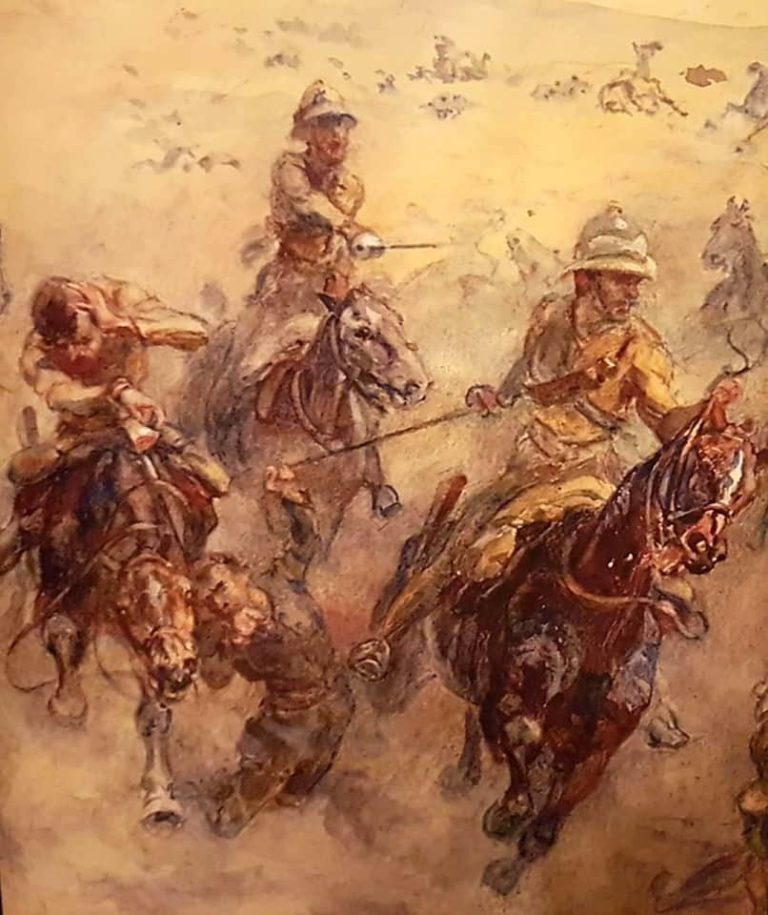
Much has been written about ‘The Affair at Huj’ - the last charge of British Cavalry (arme blanche) to capture guns on 8th November 1917, involving a small cavalry force of 190 men assembled from 1.5 Squadrons of the Warwickshire Yeomanry and 1.5 Squadrons from the Queen’s Own Worcestershire Hussars.
BRERETON’s article provides much by way of background to the ‘unique body of
part-time, volunteer horse soldiers who throughout their long history were remarkable for patriotism, enthusiasm, and healthy contempt for irksome rules, regulations and military bull,’ as evidenced by the following extract from his excellent article:
‘The authors of the Annals of the Warwickshire Hunt (1896) recount the story of a sergeant in the County Yeomanry who was pulled up for a minor peccadillo of turn-out. “Captain, sir” was the retort “I been a Yeoman these twenty years and no one’s not going to make a soldier of me now.” But soldiers or no, within another twenty-odd years the same Regiment was to earn undying glory far from leafy Warwickshire.’
The second extract reminds us that:
‘The impact of those charging horseman was felt far beyond Huj as is revealed in the
personal memoirs of General Kress von KRESSENSTEIN, Zwischen Kaukasus und Sinai, “Suddenly the news spread that enemy cavalry had pierced the Turkish security line and were about to gallop into Eighth Army H.Q.
Although this rumour was false, it caused such intense demoralisation that a considerable number of formations precipitously took flight….the result of the panic was disastrous” and even at Jerusalem it was firmly believed that the Yeoman had captured the entire 8th Army H.Q.’
This excellent article draws extensively on published sources which are quoted by way of foot notes, together with an acknowledgement for details provided by Major Jerry WIGGIN T.D., M.P., a former Worcestershire Yeoman and member of The Royal Yeomanry.
R8
‘Yeomanry Wars - The History of the Yeomanry, Volunteer and Volunteer Association Cavalry’
by Peter D. ATHAWES.’
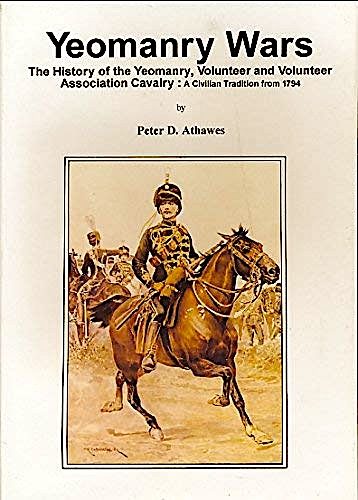
This profusely illustrated book published in 1994 includes 15 colour plates, one of which is the Lady BUTLER water colour painting of the ‘The Storming of the Guns at Huj’ - 8th November 1917. ‘Not an operation to be undertaken light-heartedly or without careful reconnoitre.’
‘From its small beginnings with the 1794 Volunteer Act, when the notion that this should include cavalry and even artillery was viewed at that time with extreme misgivings by the military professionals, it expanded and flourished. Firstly it acted as a police force, then as mounted rifleman in Boer War and eventually took over a major portion of the cavalry
encounters of the Great War and the Second World War.’
Those of us who recall the wholesale disbandment in 1967 of the Territorial Army of which the Yeomanry formed a part will be well aware of what has transpired since to form a
balanced replacement of the Reserve Army.
This book published in the 200th Anniversary Year of the Yeomanry provides a
considerable wealth of detail and is an ideal reference work. It includes the Order of Precedence of the Yeomanry as they stood at the close of the Great War 1919 and provides brief histories for each Yeomanry Regiment and much more.
Copies of this book can be found in www.abebooks.co.uk reasonably priced.
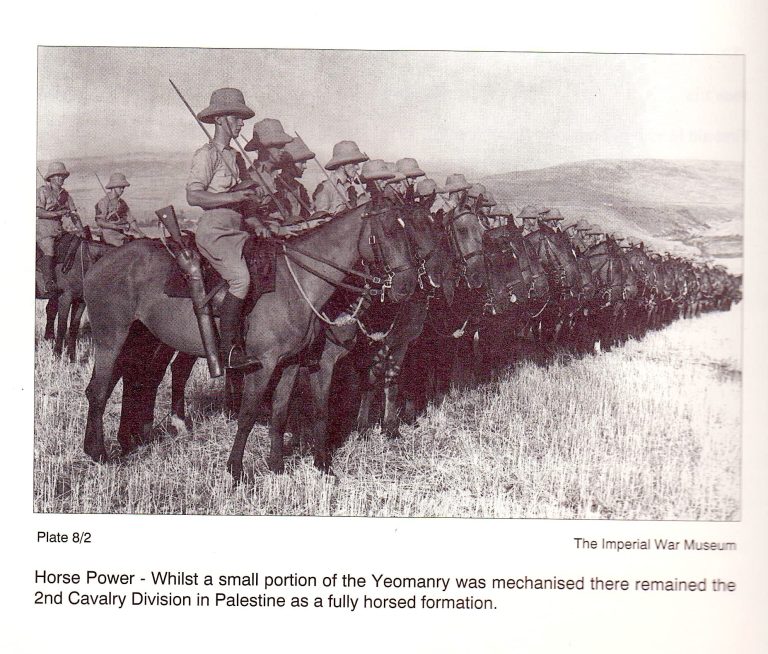
Plate 8/2 in ‘Yeomanry Wars’ ‘is actually ‘B’ Squadron, Warwickshire Yeomanry on parade at Rosh Pinna, Palestine in early 1940.
This picture can also be found in ‘Yeoman Yeoman - The Warwickshire Yeomanry
1920-1956’ by Paul BAKER published in 1971.
R9
‘Impossible Victories –
Ten Unlikely Battlefield Successes’
by Bryan PERRETT.
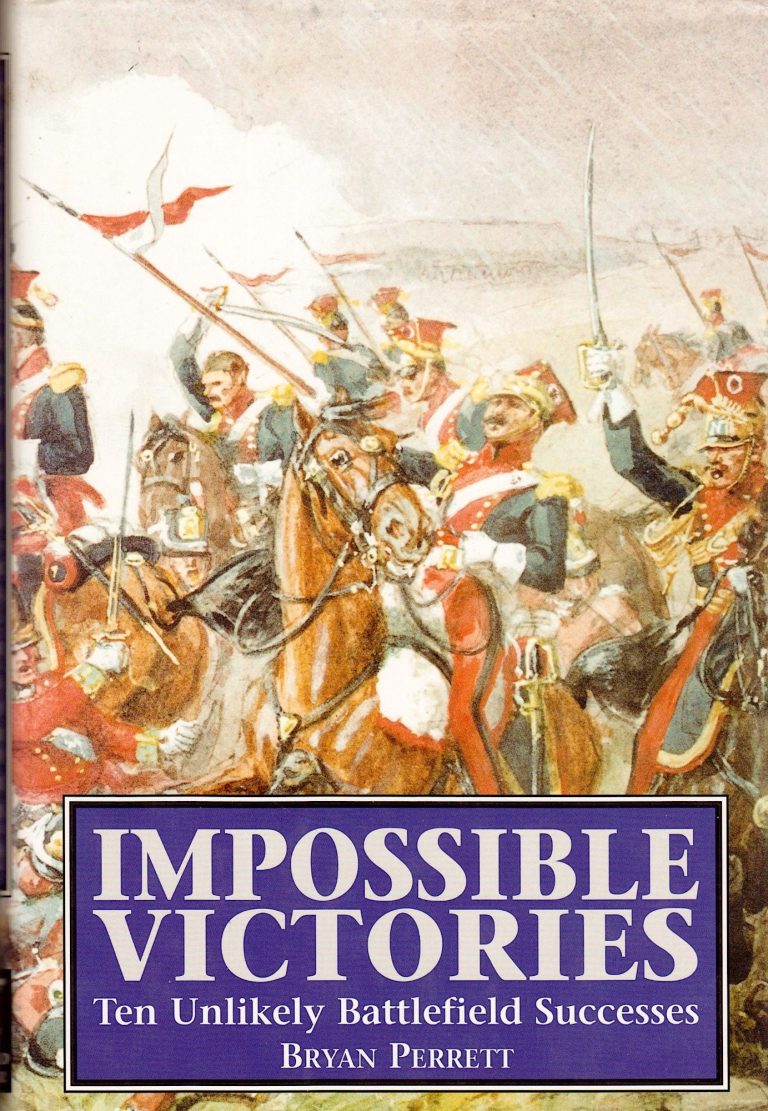
For those with time on their hands, then here is an
exceptionally good book, published in 1996 and donated to the Museum in 2013.
‘Impossible Victories – Ten Unlikely Battlefield Successes’ by Bryan PERRETT.
Copies of this book can also be found in www.abebooks.co.uk.
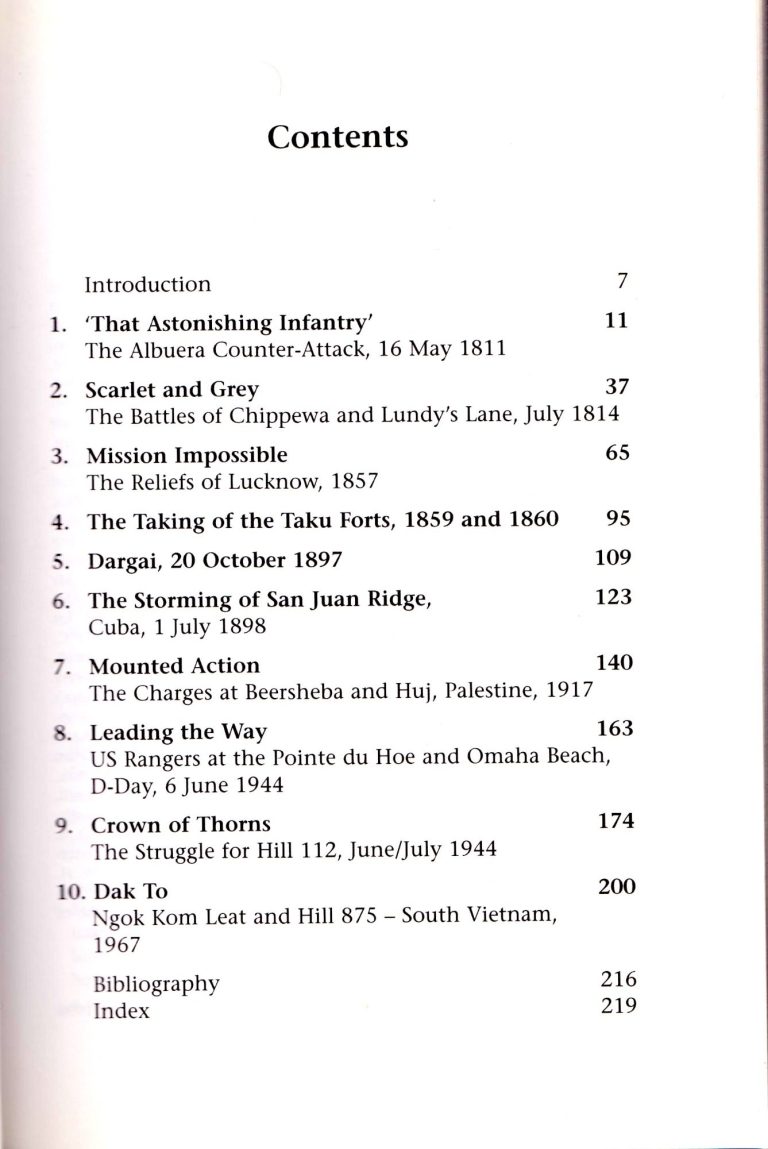
See Contents list.
‘The accounts portray the natural drama of warfare whilst incorporating all the detail
required for a study of the strategies and tactic deployed.’
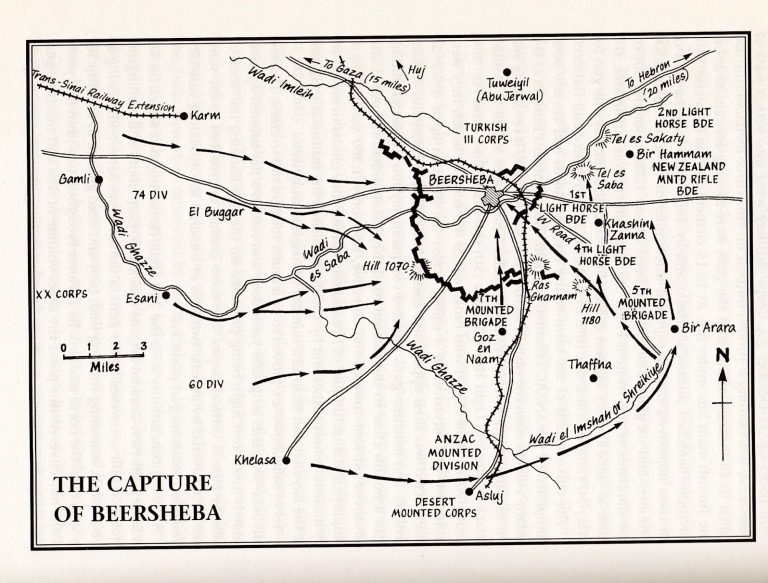
Chapter 7 covers the Mounted Actions at Beersheba and Huj, Palestine 1917 with
supporting maps and photos, including an image of the Lady BUTLER water colour
painting of ‘The Charge at Huj.‘
The book includes an extensive bibliography and acknowledges information provided by Colonel T. FENDER TD, DL., Q.O.W.W.Y. Charitable Trust.
The more one reads about a particular action or event from differing perspectives then the more knowledgeable we become.
The Mounted Actions at Beersheba and Huj are worthy of exploring in some detail and have clearly fascinated others, as evidenced by the considerable number of published
articles on ‘The Affair at Huj’ on file in the Museum.
R10
’The History of Brass Bands of Royal Leamington Spa’
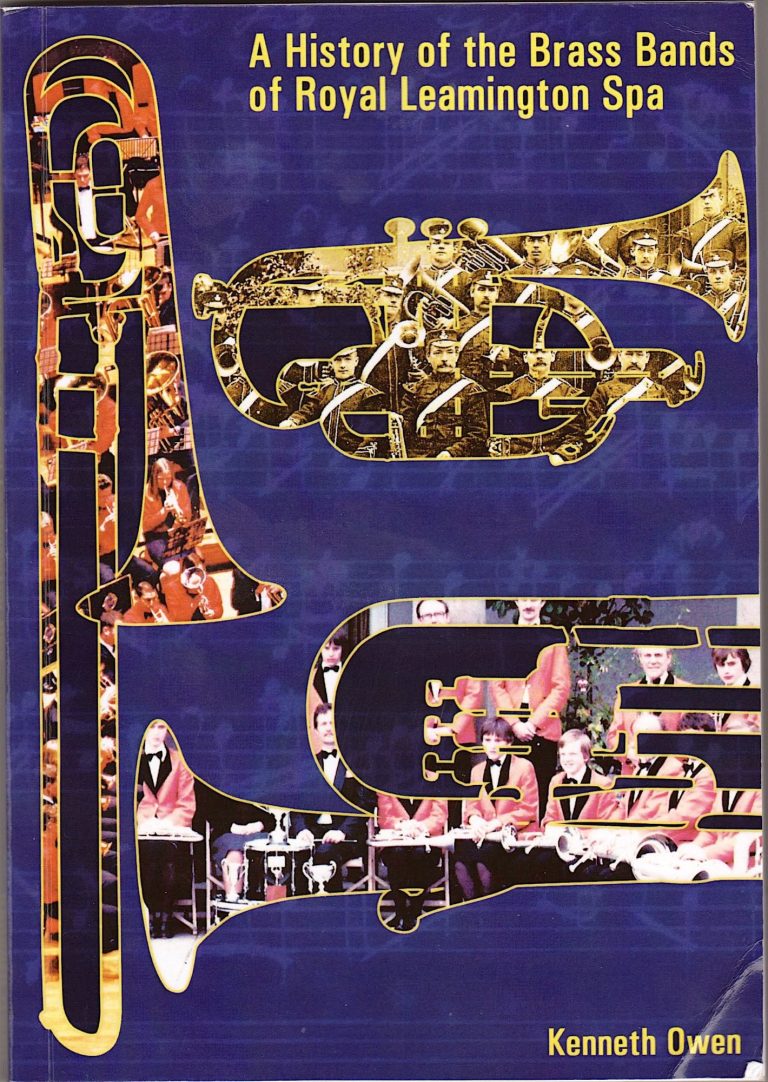
ADDERLEY records that in 1912 ‘The Regimental Band was revived under new arrangements and the services of the Leamington Spa Prize Band were secured with a strength of 25 men, enlisted and qualified to draw pay as Yeoman in camp. Mr TITCOMB acted as Bandmaster.’[1]
The origins of the Leamington Spa Prize Band are covered in ’The History of Brass Bands of Royal Leamington Spa’ by Kenneth OWEN pages 21 to 49.
The Roya Spa Band was originally formed in January 1901 by Alfred TITCOMB - see
enclosed image taken in 1902. To differentiate it from other bands in Leamington it later
became The Royal Spa Brass Band, and after winning a prize in a prestigious band contest, it became the Royal Spa Prize Band.
The Band had silver plated instruments and in January 1912 they became the Warwickshire Yeomanry Band.
On the 24 May 1912 the Regimental Band performed in the Public Gardens in Coventry.
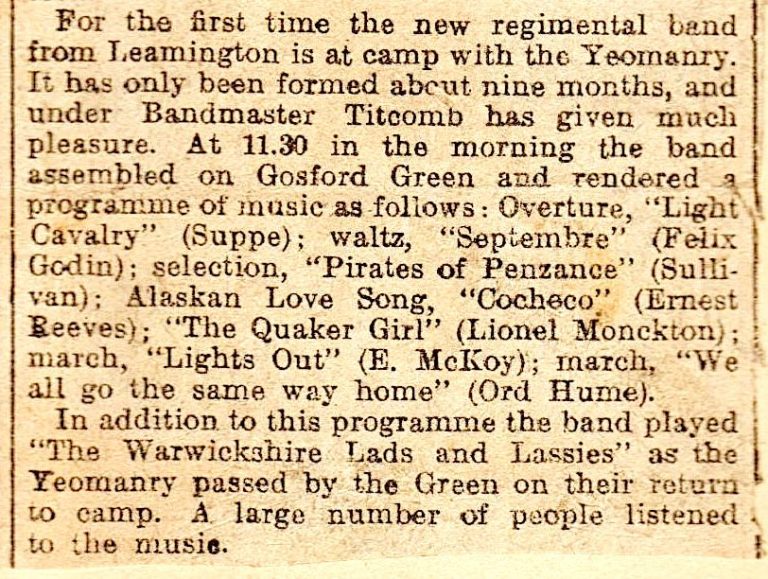
‘In addition to the programme the Band played “The Warwickshire Lads and Lassies” as the Yeomanry passed by the Green on their return to camp at Combe Park’. See enclosed
newspaper clipping from the Coventry Standard of the 1 June 1912. [2]
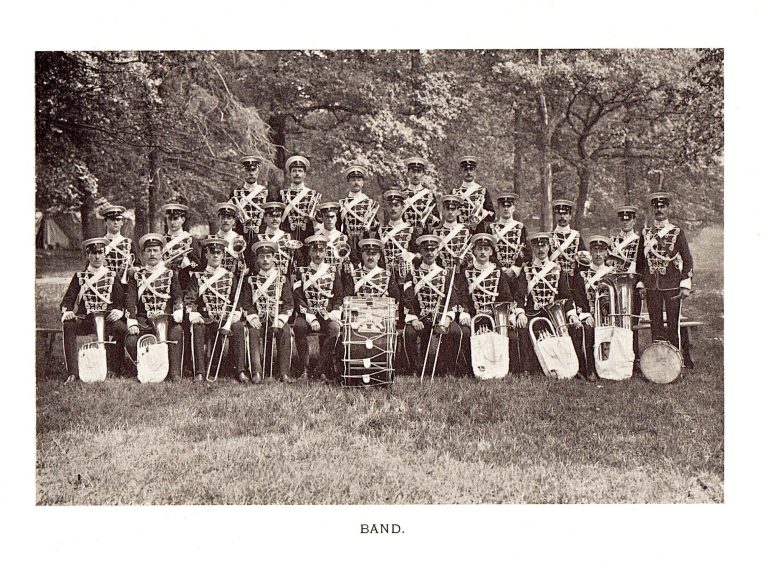
Enclosed is a picture of the Band at Combe Park in 1912 with their Bandmaster Alfred TITCOMB.
The late Bryan JOHNSTON compiled a list of those who enlisted on 24 January 1912 to serve with the Warwickshire Yeomanry Band. When comparing Bryan’s list with those shown under the 1902 photograph I conclude that ten of these men enlisted with the Warwickshire Yeomanry Band in 1912.
The Warwickshire Yeomanry Band was broken up in September 1939 on mobilisation for WW2 and the whereabouts of the musical instruments are not known despite
investigations at the time.
The Bass Drum is in the Warwickshire Yeomanry Museum, Warwick.
Observation
Those of you who are familiar with the Museum will know that the Regiment had a Mounted Band in the 19th Century, for we have two early Kettle Drum Banners on display in the Museum. The whereabouts of the kettle drums and instruments are not known.
[1] See page 208 of ADDERLEY’s ‘History of the Warwickshire Yeomanry Cavalry,
published in 1912.
[2] Warwickshire Yeomanry ‘A’ Squadron Scrap Book 1900-1945
R11
‘The Last Crusade’ – A Novel by Colin SMITH.
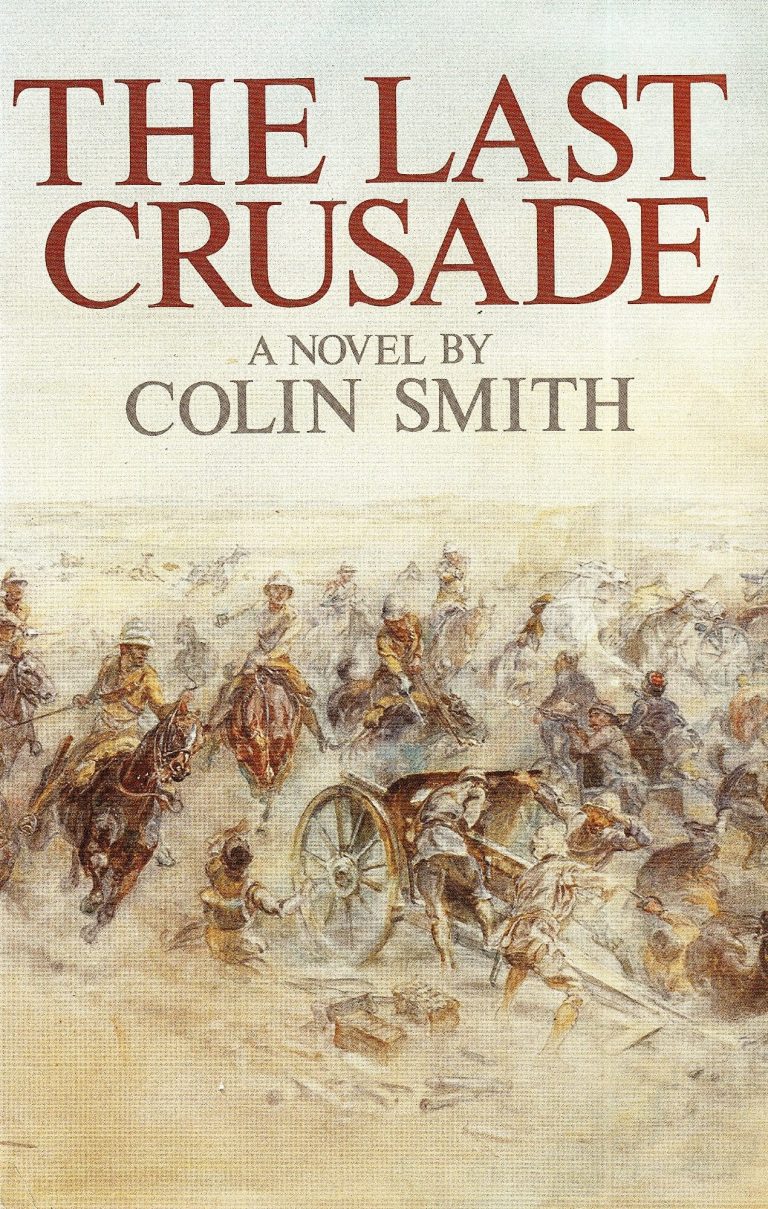
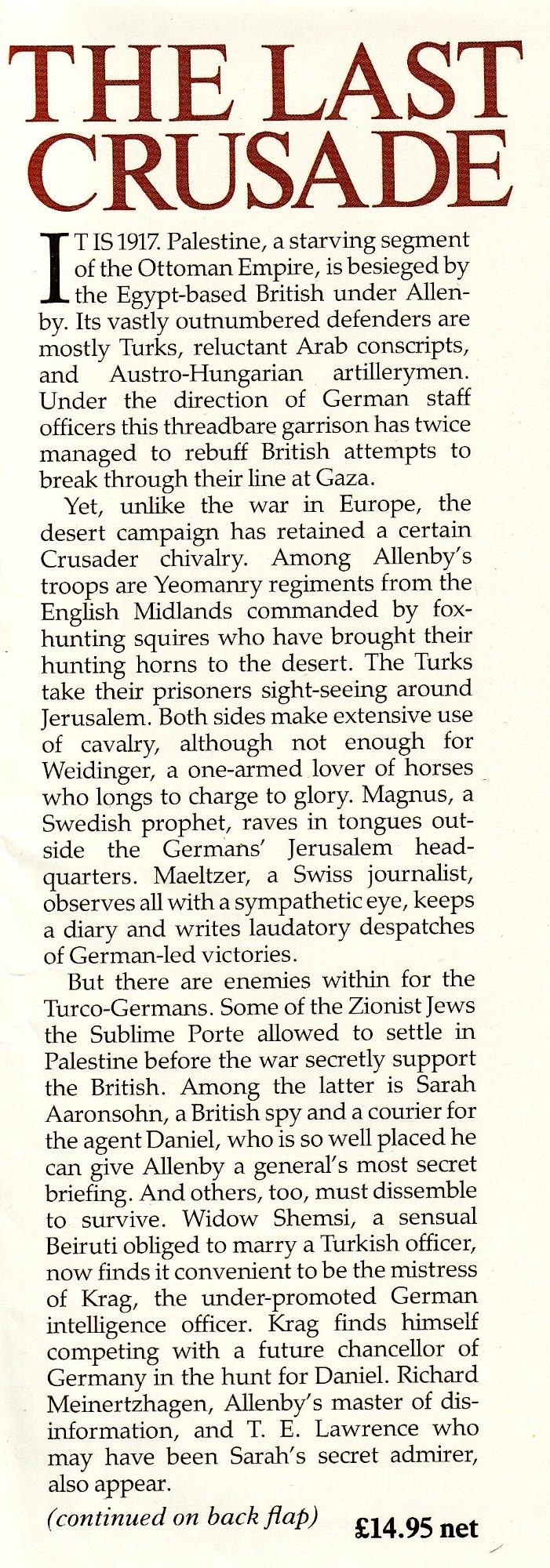
I rarely read novels but this one published in 1991 weaves both fact and fiction into a truly remarkable book, even more so for it includes ‘The Affair at Huj’ on 8th November 1917.
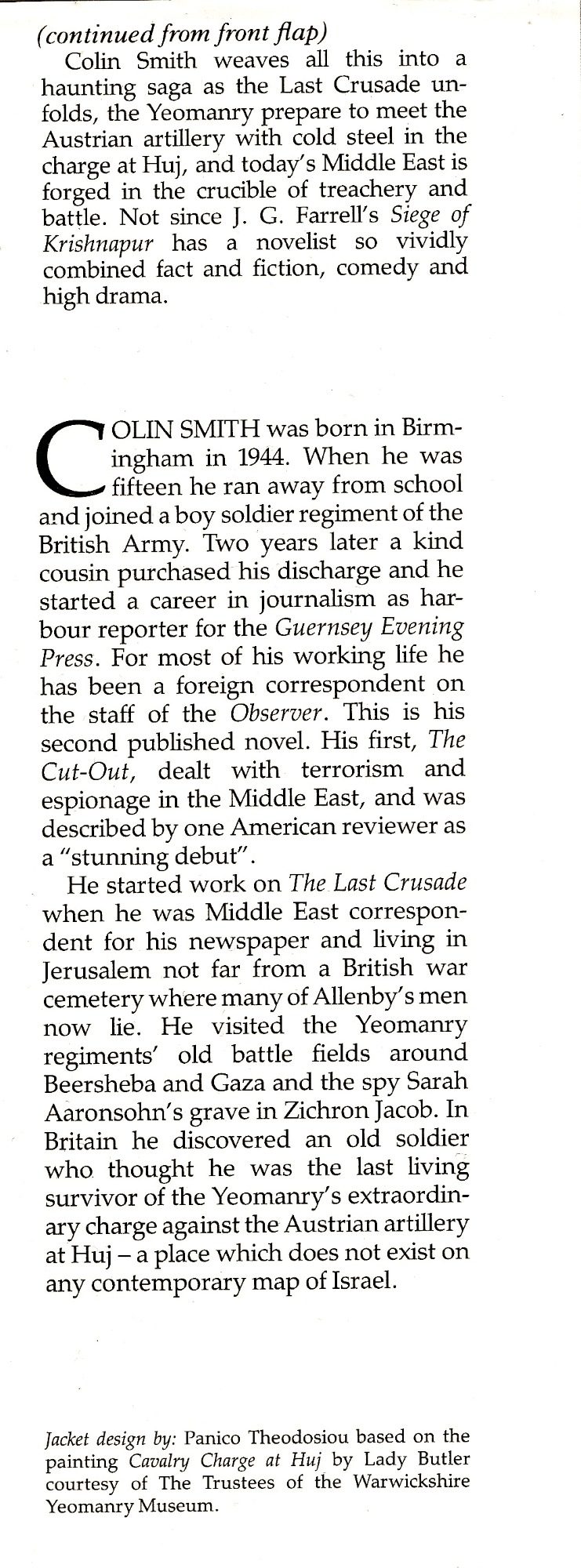
‘As the Last Crusade unfolds, the Yeomanry prepare to meet the Austrian Artillery with cold steel in the charge at Huj, and todays Middle East is forged in the crucible of treachery and battle.’
This is an exceptionally good novel and is well worth reading.
Copies of this book can be found in www.abebooks.co.uk
R12
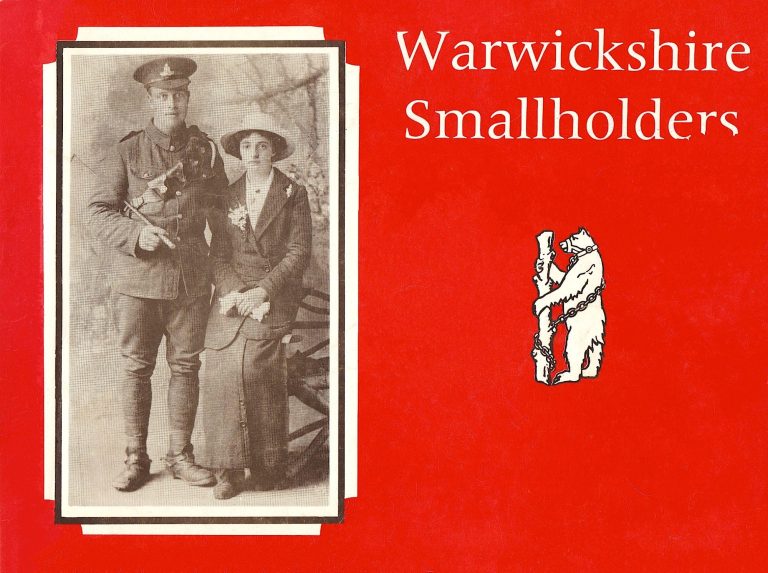
‘Warwickshire Smallholders’
A Pictorial History by Colin BIRT,
‘Warwickshire Smallholders’
A Pictorial History by Colin BIRT,
County Land Agent Published in 1988
ISBN 0 9514199 00.
This is a splendid well illustrated booklet which provides a fascinating insight into the origins of County Smallholdings arising from an Act of Parliament in 1819 which authorised Overseers of the Poor to acquire blocks of land of no more than 20 acres for letting for poor relief; which included the provision of Allotments to prevent hardship as a means
towards feeding families and independence.
The Smallholdings Act of 1908 enabled the Warwickshire County Council to purchase land for letting as Smallholdings and by 1914 some 1,800 acres had been purchased or leased.
Following the Great War 1914-19 the County’s Smallholdings Policy was concentrated on providing land for Ex-Servicemen and more land was purchased or leased.
This 64-page booklet includes a wealth of information together with photographs of some of the men who returned from the Great War 1914-19, who became Smallholders – they include photos of three Warwickshire Yeoman:
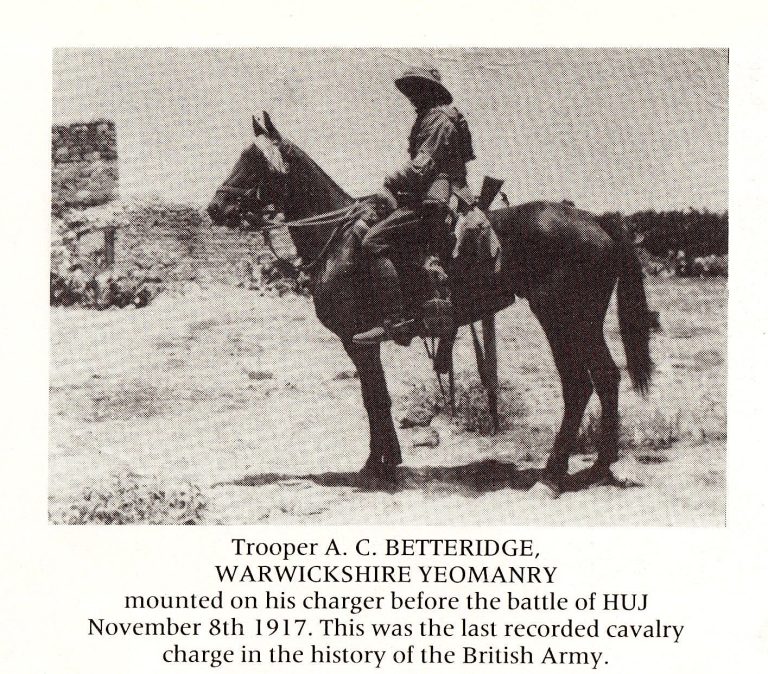
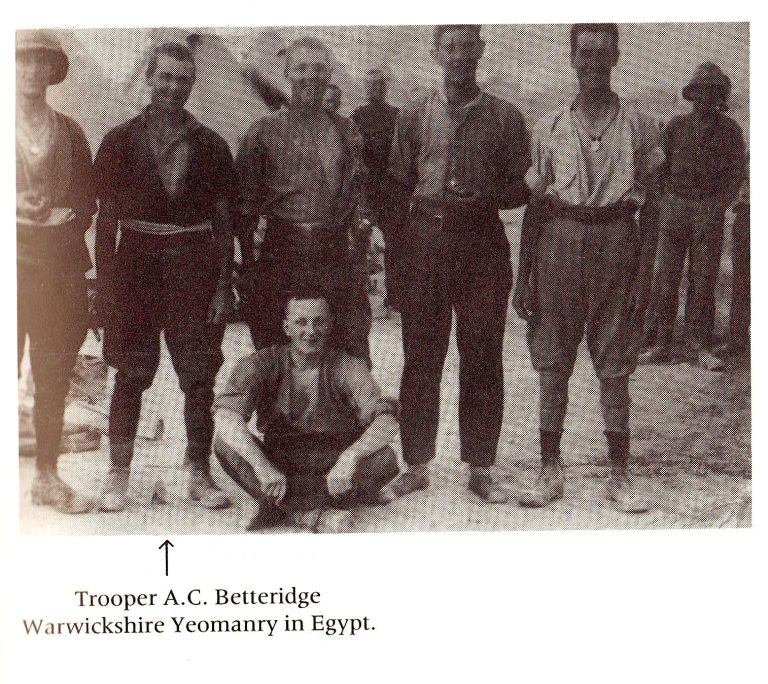
Albert Charles BETTERIDGE – Pound Close, Wixford. (29.1 acres) *
Leslie LAMB – Salford Farm, Salford Priors. (191 acres)
Ernest H. SHERWOOD – The Homelands Farm, Salford Priors. (65 acres)
All of them survived the agricultural depression of the 1930’s.
The photo on the front cover is of Gunner Frederick Charles EVERRITT, Royal Artillery with his bride Daisy ELLIS. They were married at Quinton Church on 1 March 1919 - their smallholding was Wharf Farm, Ilmington. (46.5 acres).
A copy of this book can be viewed in the Museum upon request.
Observation
* 1961 Pte Albert Charles BETTERIDGE, Warwickshire Yeomanry was mentioned in
despatches on 21 April 1917 for the action on 19 April at Wadi Baha. He was wounded in Palestine on 3 December 1917. We have his medals on display in the Museum.
R13
‘City of Coventry Roll of the Fallen - The Great War’
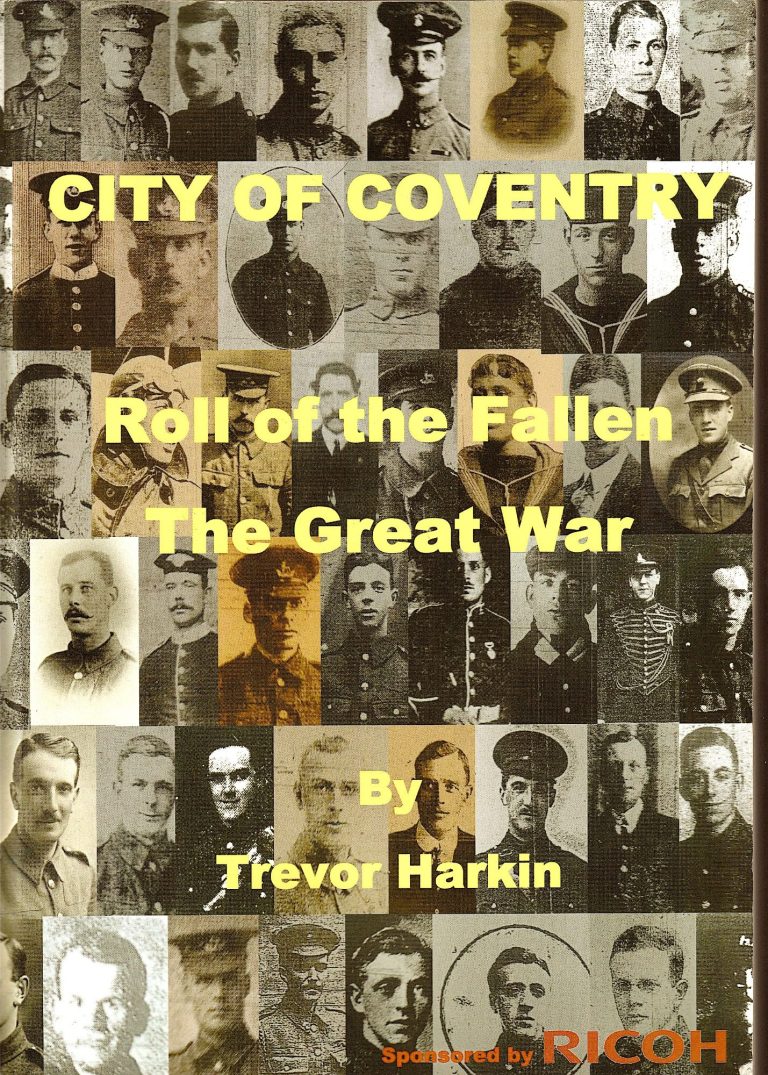
‘City of Coventry Roll of the Fallen - The Great War’ by Trevor HARKIN, published in 2009.
After the Great War the task of compiling a Roll of the Fallen for the citizens of Coventry fell to the City Librarian, Charles NOWELL. The Roll containing 2,587 names was completed in October 1927 with a copy for public viewing in the Chamber of Silence within the Cenotaph at the Coventry War Memorial Park.
This edition of the Roll has been updated with a further 1,000+ names, includes brief
biographical details and over 1,000 photos of those who fell have been added.
This is a useful book for those researching those who had the misfortune to die on active service during the Great War. I have a copy in my study at home.
There are 9 men listed from Coventry who served with the 1/1st Warwickshire Yeomanry:
310082 Pte A. COLE drowned at sea 25.5.18 (Leasowe Castle)
2831 Pte F. COOPER kia 19.4.16 Egypt whilst on outpost duty.
632 L/Sergeant P.A. GIBNEY died of wounds 10.1.17, Egypt.
2140 Pte P.C. KERBY died at sea 11.4.15 (Horse Transport Wayfarer)
2589 Pte G.P. LUGGAR kia 21.8.15, Gallipoli.
310605 Pte A.T. NEWEY died of Pneumonia 17.10.18, Egypt.
310258 Cpl L.H. PAGE died 19.10.16, Egypt.
310976 Pte W.I. PATCHETT died 14.11.17, Egypt.
2890 Pte T. TAYLOR, kia 9.1.17 Egypt.
And 3312 Pte W.W. GETHIN, 3/1st Warwickshire Yeomanry who was kia 22.3.18 whilst serving with the 9th Squadron Machine Gun Corps (Cavalry) as 51889, he was mentioned in despatches.
There are sure to be others who served with the 2/1st and 3/1st Warwickshire Yeomanry who were posted to other Regiments, including The Royal Warwickshire Regiment to make up the numbers, who died on active service but I have yet to identify these within the ‘City of Coventry Roll of the Fallen -The Great War.’
R14
‘A-Z of Warwick: Places - People – History’
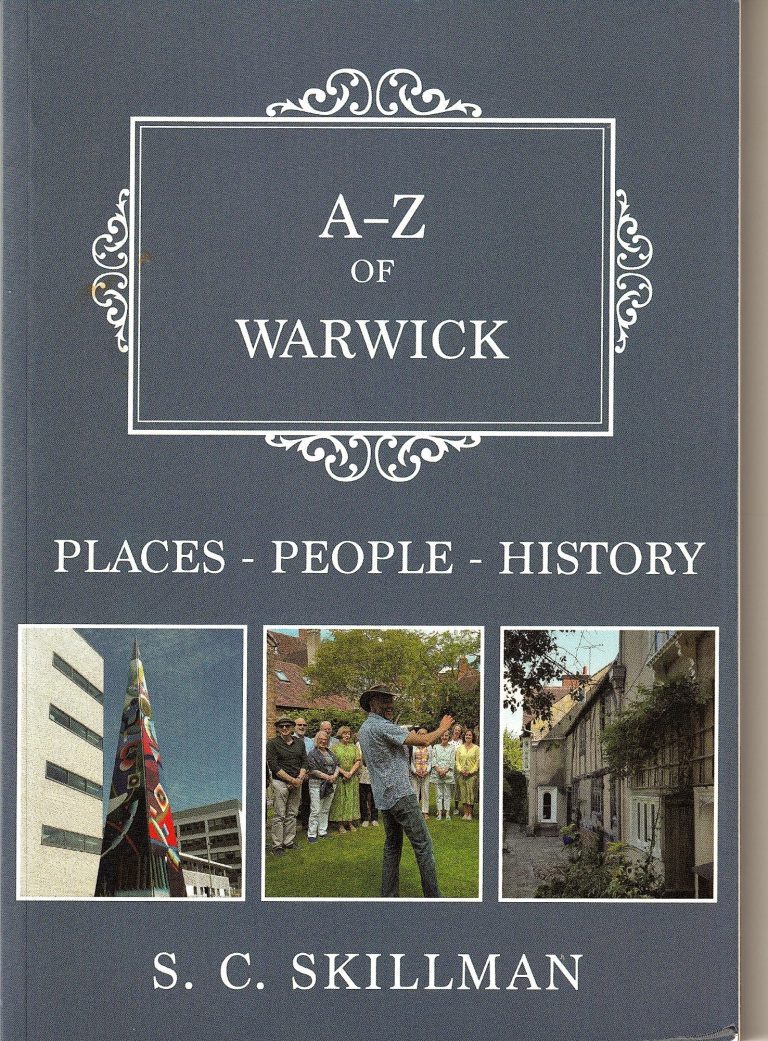
‘A-Z of Warwick: Places - People – History’
by S.C. SKILLMAN, published in 2023.
ISBN 978-1-3981-1576-7 (print)
This 96-page profusely illustrated booklet mentions the Warwickshire Yeomanry Museum:
Page 14 ‘The Tudor Kitchen in the basement of The Court House now holds the Warwickshire Yeomanry Museum, and the wall recesses here mark where the barrels were rolled in from the pavement outside.’
Page 80-81 mentions The Warwickshire Yeomanry Officer’s Mess which was located at the Warwick Arms Hotel, with stabling for 75 horses’ and Trumpeter John SPICER whose horse took fright as the trumpeters were sounding and he fell, striking his head on a kerb outside the Warwick Arms Hotel. He was left partially paralysed and died shortly afterwards. *
Pages 89-92 provide a brief resume’ of the Warwickshire Yeomanry and its Museum.
For those planning to visit Warwick then this booklet is well worth reading.
Comment
* ADDERLEY records that The Warwickshire Yeomanry Cavalry held Officer’s Mess Dinners from the 1840’s onwards at the Warwick Arms Hotel, Warwick until the Officer’s Mess and Regimental Headquarters were relocated to Shire Hall, Warwick in 1884. [1]
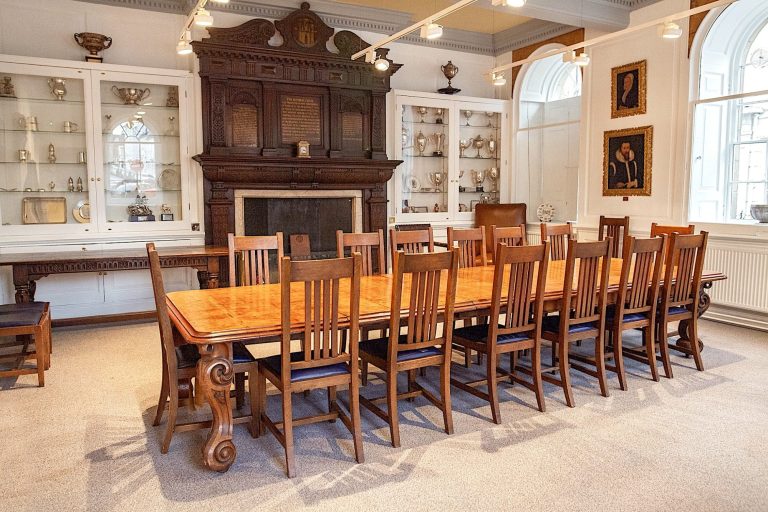
In 1913 the Warwickshire Yeomanry Cavalry Officer’s Mess relocated to the Warwickshire Yeomanry RHQ, Priory Road, Warwick. The table is currently located in ‘The Chambers’ at The Court House, Warwick.
[1] ‘History of The Warwickshire Yeomanry Cavalry’ compiled by The Hon. H.A. ADDERLEY (late Captain W.Y.C.) published in 1912. See page 106.
R15
‘The Yeomanry Regiments –
A Pictorial History’
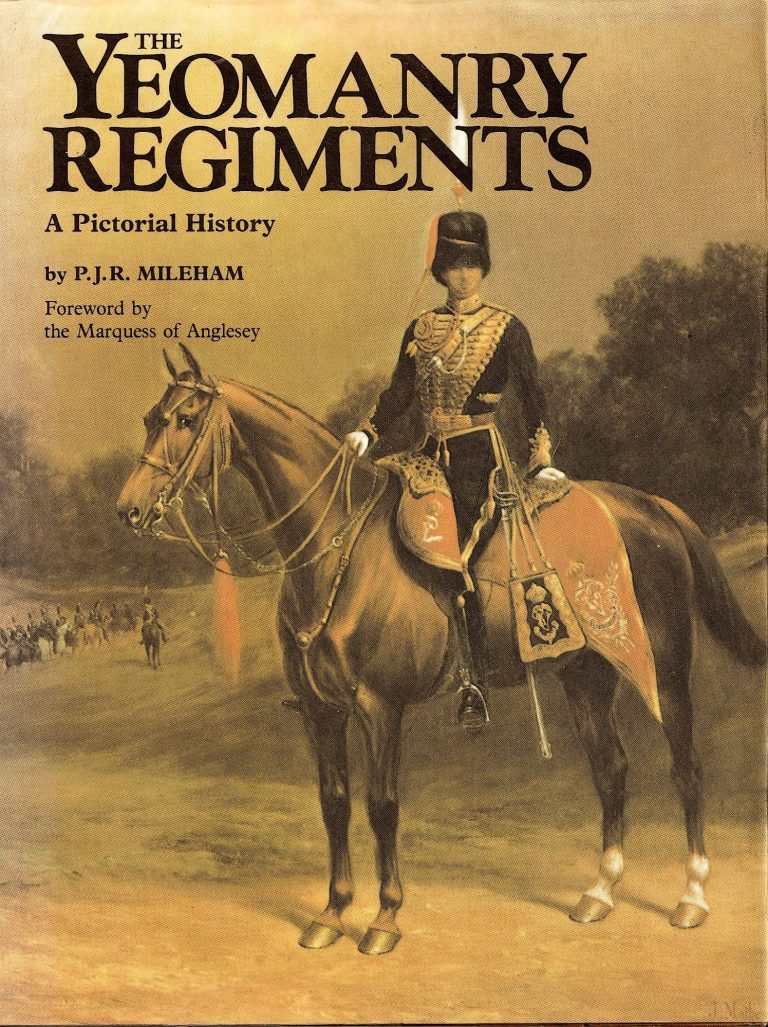
‘The Yeomanry Regiments –
A Pictorial History’
by P.J.R. MILEHAM.
This well illustrated book was published in 1985.
Visitors to the Museum often ask us “What is a yeoman?” The Marquis of ANGLESEY reminds us in the forward to this book that:
“One of best definitions of the word ‘yeoman’ is ‘a man free born’.
Major MILEHAM’s splendid book illustrates most comprehensively how over the last 190 years large numbers of yeoman have voluntarily agreed to forego part of their personal freedom so at to defend national freedom.”
This illustrated history of the Yeomanry Regiments is not intended to be a comprehensive history but even so, it remains a most useful starting point for further reading, for it
includes a selective bibliography.
A copy can be viewed in the Warwickshire Yeomanry Museum upon request.
R16
‘The Yeomanry – A Short History’
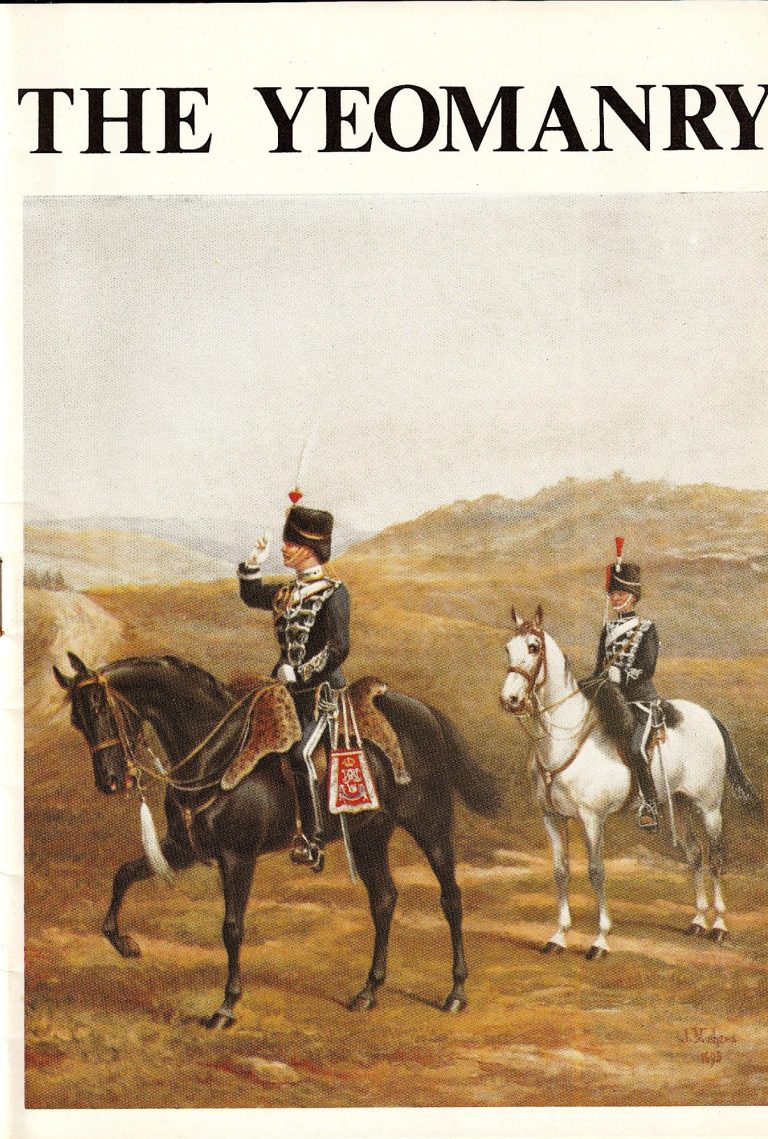
‘The Yeomanry – A Short History’ by P.J.R. MILEHAM
This well illustrated 28-page booklet was published by the Yeomanry Association in 1983, copies occasionally turn up in www.abebooks.co.uk
The front cover for this booklet – an Officer, Northumberland Hussars 1893 painted by J. MATHEWS.
This booklet provides a useful synopsis of the formation of Yeomanry Cavalry ‘as mounted troops of a volunteer army formed to repulse a possible French invasion in Napoleonic times, used to keep the peace in the troubled first half of the Nineteenth Century, as
volunteers in the South African War 1900-1902, and as formed Regiments in the two World Wars.’
The rear cover to this booklet includes a picture of the Warwickshire Yeomanry on patrol
in Palestine, in early 1940. We have this picture in the Warwickshire Yeomanry Museum archive.
A copy of this booklet can be viewed upon request in the Warwickshire Yeomanry Museum.
R17
'The Great War Diaries of Stapleton Tench EACHUS'
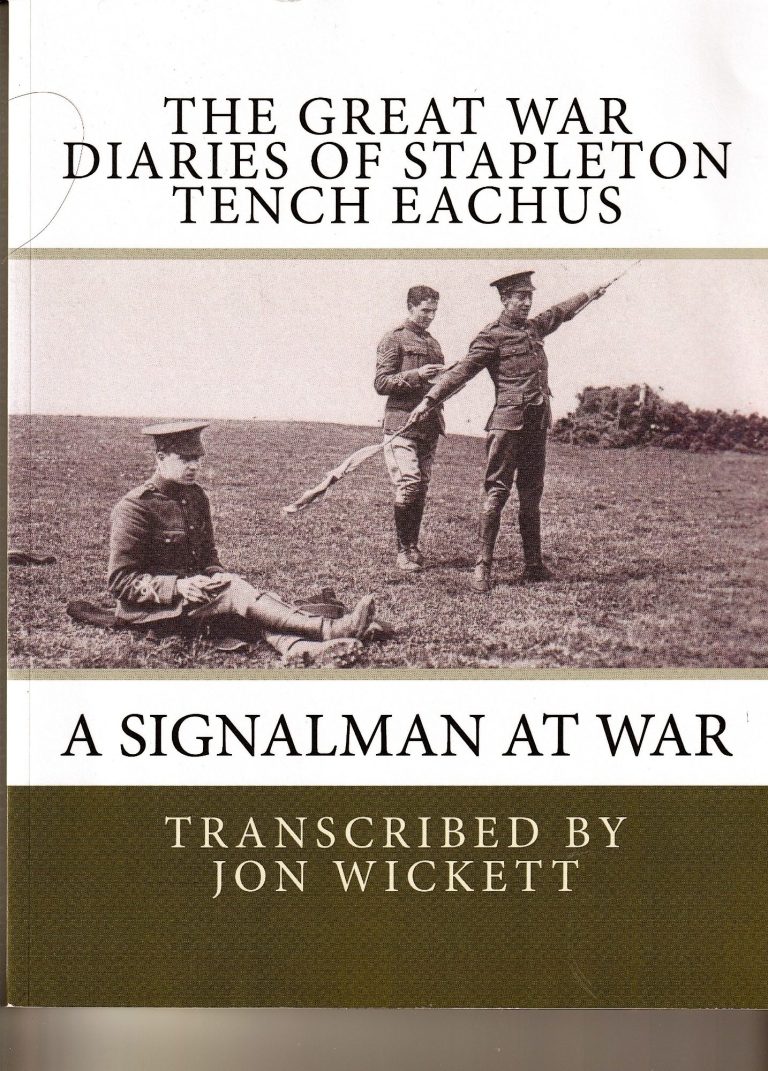
1933 Cpl Stapleton T. EACHUS enlisted on the 28 January 1913 and served with 'A' Squadron, Warwickshire Yeomanry.
In April 1915 the Regiment went to Egypt and in August of that year 2/3rds of the Warwickshire Yeomanry went to Gallipoli whilst the remaining 1/3rd looked after the horses in Egypt, this 1/3rd later became a composite Regiment fighting the Senussi in the Western Desert.
Cpl EACHUS was invalided home on 5 December 1915 and later posted to the Royal Engineers.
The Great War Diaries of Stapleton Tench EACHUS - A Signalman at War have been
transcribed by Jon WICKETT from a set of 15 notebook diaries written by EACHUS during his service as a Signaller with the Royal Engineers, based mainly at the 4th Army Signal Office on the Western Front, May 1916 - January 1919.
The book commences with EACHUS’ initial journey to France and signalling duties, visits to YMCA canteens and estaminets, his low opinion of the military leadership and criticism of the way in which the war was being fought (especially with regard to the Battle of the Somme) and much more.
He remained with the Army of Occupation in Germany from January 1919 until he was
demobilised in July 1919.
The diaries were written in fifteen small notebooks, each being posted back to the UK via the French postal system to avoid censorship. The diaries were the subject of an article in the Daily Mail 22nd May 2000.
The picture on the front of this book is of EACHUS learning the art of signalling with flags with the Warwickshire Yeomanry prior to the Great War.
The book is well worth reading for those wishing to gain an insight into what he
experienced whilst serving with 4th Army Signal Service. Unfortunately, there are no maps or illustrations linking events described within the diary.
R18
‘First World War Military Service Tribunals Warwick District Appeal Tribunal, 1916-1918’
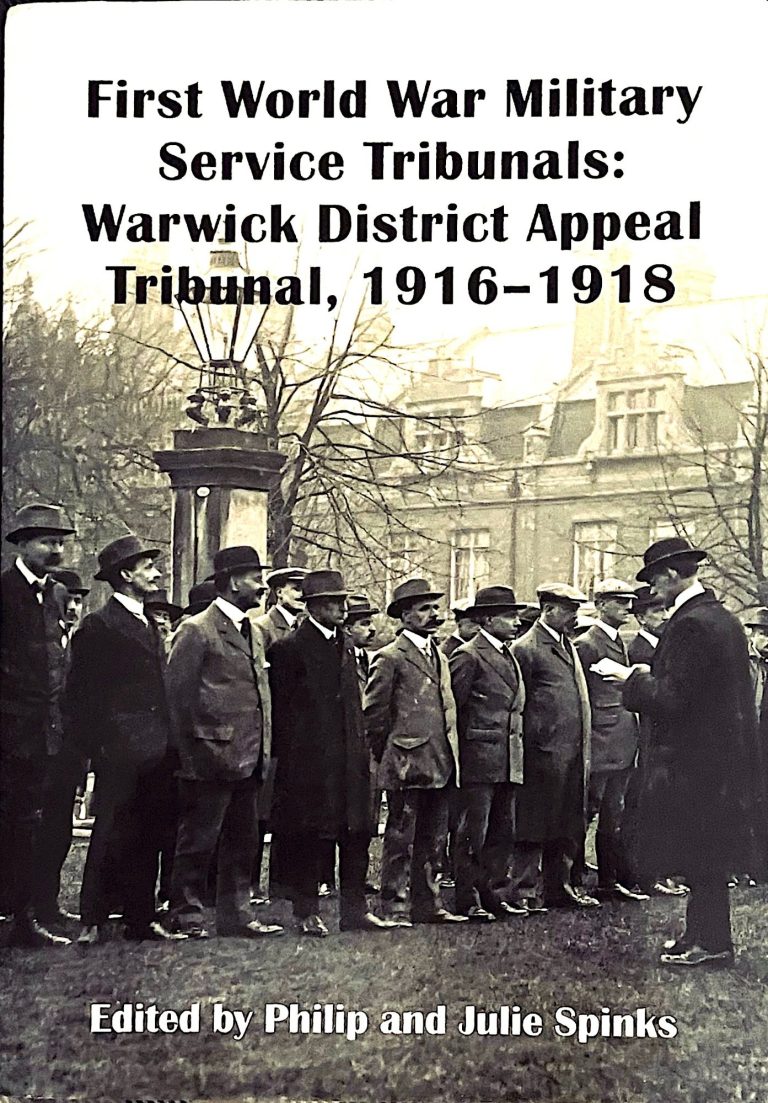
‘First World War Military Service Tribunals Warwick District Appeal Tribunal, 1916-1918’ edited by Philip and Julie SPINKS.
Published in 2017 by the DUGDALE Society.
This is an exceptionally well researched book drawing
extensively on original documentation held in the County Record Office, Warwick. It is one of the very collections of such material to have survived orders issued in 1921 for a nationwide destruction of all documentation relating to the work of the First World War Military Service Tribunals.
Appendix 7 of Philip and Julie SPINKS book lists thirty-seven Conscripts who died
during, or very soon after their military service. Twenty-one of whom served with various Battalions of the Royal Warwickshire Regiment and sixteen who served with other Units.
Appendix 7 does not include their Army Numbers which can be found together with brief biographical details in Kenneth FOWLERS 'County of Warwickshire Roll of Honour 1914-2005 - South Warwickshire.'
Out of curiosity, I looked more closely at the thirty-seven Conscripts who had the
misfortune to die and produced a detailed summary which I have shared with the County Record Office.
There is one former Warwickshire Yeoman – 1663 Pte R.W. TIPPING who enlisted in ‘B’ Squadron Warwickshire Yeomanry on 27.2.1910 and was discharged on 26.2.1914.
His father was a farmer at Kineton who applied for exemption on the 24 March 1916 “his assistance being invaluable to me on account of being stone deaf myself and shortness of labour” which was refused.
His father appealed the decision on 17 April 1916 on the grounds that it was not possible to do everything himself “often laid up with rheumatics or lumbago” and that being
profoundly deaf he was reliant on his son for sign language. The appeal was dismissed. (Case 96 pages 85 and 569)
242900 Pte R.W. TIPPING subsequently died of wounds at N0.29 Casualty Clearing Station, France on 24.8.1918 whilst serving with 15th (Service) Battalion, Royal Warwickshire Regt.
Four Conscripts can be found on the Warwick War Memorial: DAY, FENNELL, PEASE and LONDON - brief biographical details for them can also be found in the Unlocking Warwick - Warwick War Memorial Project online. https://www.unlockingwarwick.org/exploring-local-history/our-war-memorial-project/
Sadly, one Conscript S/407351 Pte S. HASTINGS died of bronchial pneumonia in France on 8.11.18 whilst serving with 2/4th Field Bakery, Army Service Corps - just four days before the Armistice on 11.11.18.
6
Title
Lorem ipsum dolor sit amet, consectetuer adipiscing elit. Aenean commodo ligula eget dolor. Aenean massa. Cum sociis natoque penatibus et magnis dis parturient montes, nascetur ridiculus mus.

7
Title
Lorem ipsum dolor sit amet, consectetuer adipiscing elit. Aenean commodo ligula eget dolor. Aenean massa. Cum sociis natoque penatibus et magnis dis parturient montes, nascetur ridiculus mus.
8
Title
Lorem ipsum dolor sit amet, consectetuer adipiscing elit. Aenean commodo ligula eget dolor. Aenean massa. Cum sociis natoque penatibus et magnis dis parturient montes, nascetur ridiculus mus.
9
Title
Lorem ipsum dolor sit amet, consectetuer adipiscing elit. Aenean commodo ligula eget dolor. Aenean massa. Cum sociis natoque penatibus et magnis dis parturient montes, nascetur ridiculus mus.
10
Title
Lorem ipsum dolor sit amet, consectetuer adipiscing elit. Aenean commodo ligula eget dolor. Aenean massa. Cum sociis natoque penatibus et magnis dis parturient montes, nascetur ridiculus mus.